Return migration
2025–2026
Research Report: Navigating Return
This report presents findings from Navigating Return, a 14-month mixed-methods study of Ukrainians who lived under the EU Temporary Protection Directive (TPD) and returned to Ukraine during active conflict.

Research team and contributors




External authors
Anastasiia Omelianiuk - PhD Candidate, Vrije Universiteit Amsterdam
Dr. Pim Scholte - Laguna Collective
Dr. Samrad Ghane - Laguna Collective
Afra van der Markt - GGZ inGeest / Amsterdam UMC
Augustine Hacques - Upinion
Tarek Jaber - Upinion
Research partners


Funding partner
Porticus
Summary
Return to Ukraine during active conflict is rarely a simple or voluntary choice, but a fragile, care-structured process shaped by cumulative pressures abroad, economic precarity, and persistent insecurity.
Key findings
01
Return during active war is widespread but rarely voluntary, as Ukrainians are often pushed back by deteriorating host-country conditions rather than pulled by improved security.
02
Returnees are a structurally precarious group, dominated by women with heavy care responsibilities who frequently manage households alone.
03
Financial security strongly predicts mental well-being, outweighing employment status alone in protecting against psychological distress.
04
Caregiving drives return without worsening mental health, functioning as a mobility constraint abroad rather than an indicator of personal vulnerability after return.
05
There is no stable 'safe geography' for return, as recurrent attacks make perceived safety—rather than regional location—the decisive factor for well-being.
06
Return is fragile and time-dependent, with recent returnees exhibiting the lowest well-being scores and the highest risk of secondary displacement.
07
Short-term mobility after return can be protective, enabling households to respond adaptively to renewed shelling, energy disruptions, and economic shocks.
08
Legal status is a precondition for protective mobility, as valid Temporary Protection allows cross-border flexibility without administrative loss or risk.
09
Mental well-being is under sustained strain, particularly in the social domain where returnees face social disconnection, judgment, and low trust.
10
Reintegration relies almost entirely on private networks, with nearly 70% receiving no formal assistance and over 75% unaware of local support.
Why this matters
Policymakers, international organizations, and civil society need empirical evidence on post-return precarity so protection regimes and support frameworks remain flexible, reversible, and responsive to returning populations.
Methodology summary
The report is based on a 14-month mixed-methods study combining a nationwide survey (N=324) of Ukrainians formerly under the EU Temporary Protection Directive with 14 in-depth qualitative interviews.
Data scope
14-month mixed-methods study · nationwide survey of 324 eligible returnees · in-depth qualitative interviews · Ukraine, including frontline and heavily war-affected regions
About this publication
Strategic area
Social inclusion
Primary topic
Return migration
Primary country
Ukraine
Geographic focus
Ukraine · European Union
Publication year
Document type
Research report
Language
EN
Share


topics
Mental health support
Safety
Housing barriers
Return & reintegration
Related publications
Dec 2025
Return migration
EN
Navigating Return: Presenting Research Results

A conference presentation summarising early findings from the Navigating Return research project on Ukrainians returning home amid conflict.
May 2026
Mental health
NL
The Regionalization of Mental Health Support for Displaced Ukrainians in the Netherlands
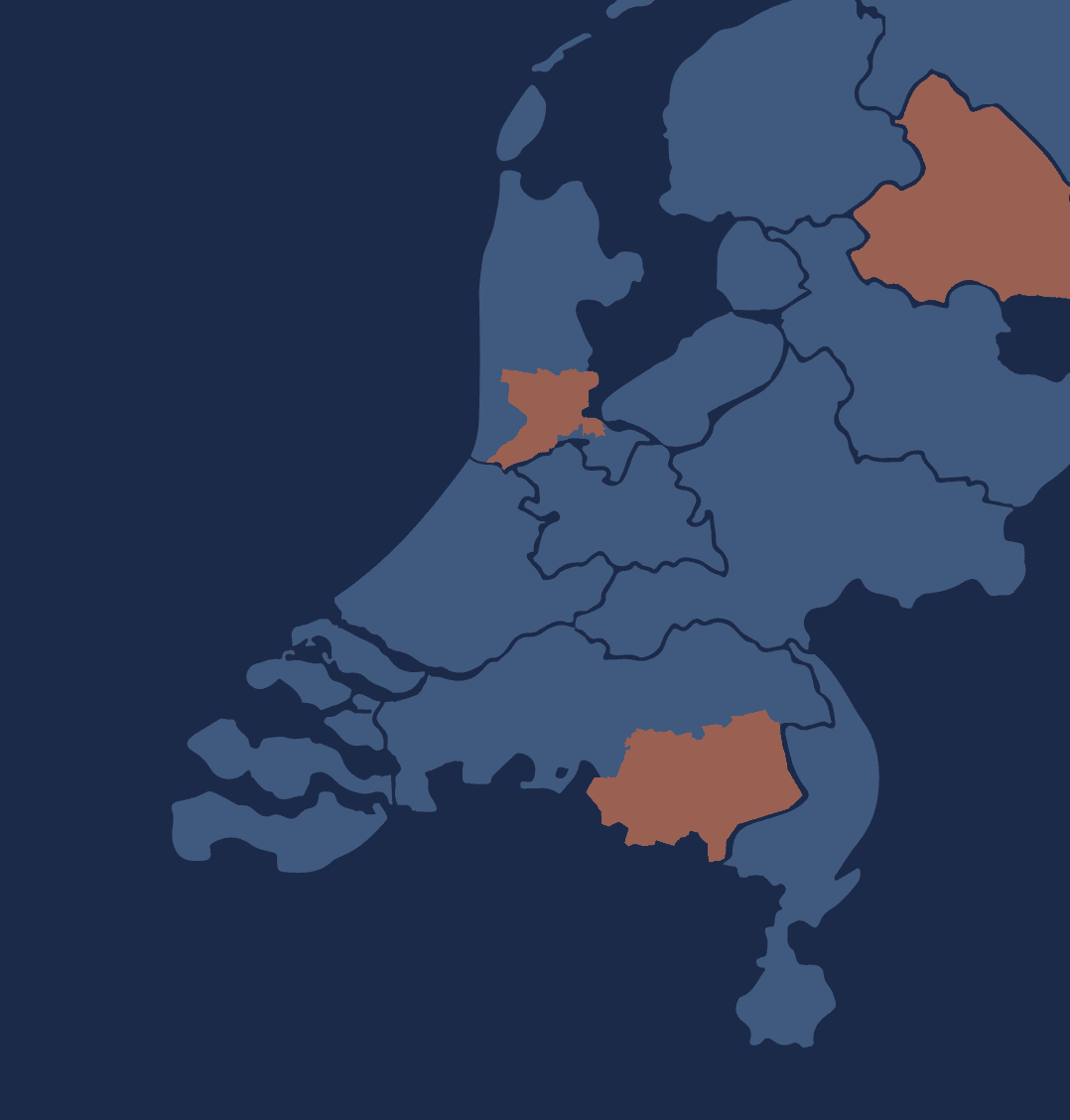
Research on access to mental health and psychosocial support for displaced Ukrainians across Drenthe, Southeast Brabant, and Amsterdam-Amstelland.
Feb 2026
Policy & governance
EN
From Emergency Solidarity to Sustainable Inclusion: The Implementation of the EU Temporary Protection Directive in Poland and Italy






A comparative policy report on how the EU Temporary Protection Directive has been implemented for displaced people from Ukraine in Poland and Italy.