OPORA
OPORA
OPORA
Foundation
Foundation
Foundation
Applies social innovation to improve the systems people rely on to live better lives.
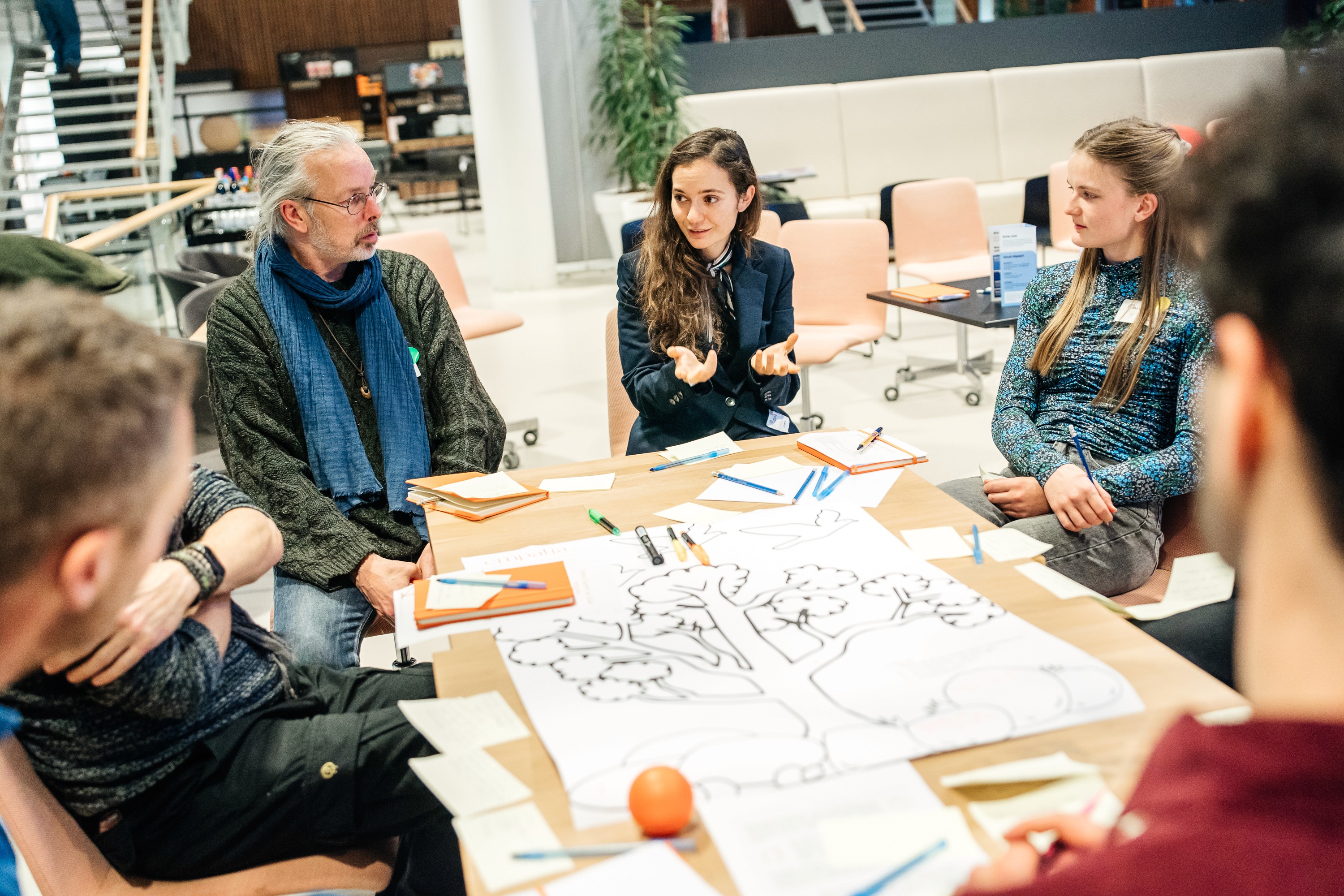
We make systems work for the people they were built to serve
OPORA began in 2022, designing systems to support displaced Ukrainians at a time when displacement at this scale was unprecedented in Europe. But the challenges we encountered were not unique — barriers to essential services affect millions of people worldwide, driven by language differences, legal status, poverty, trauma, and systems that were never designed to include them.
We make systems work for the people they were built to serve
OPORA began in 2022, designing systems to support displaced Ukrainians at a time when displacement at this scale was unprecedented in Europe. But the challenges we encountered were not unique — barriers to essential services affect millions of people worldwide, driven by language differences, legal status, poverty, trauma, and systems that were never designed to include them.
We listen to those our solutions serve
The challenges we address are not unique to migrants and displaced people; they affect many vulnerable groups. Rather than focusing on a specific population, we focus on four core topics:
01
Access to health
02
Access to justice
03
Democratic engagement
04
Social inclusion
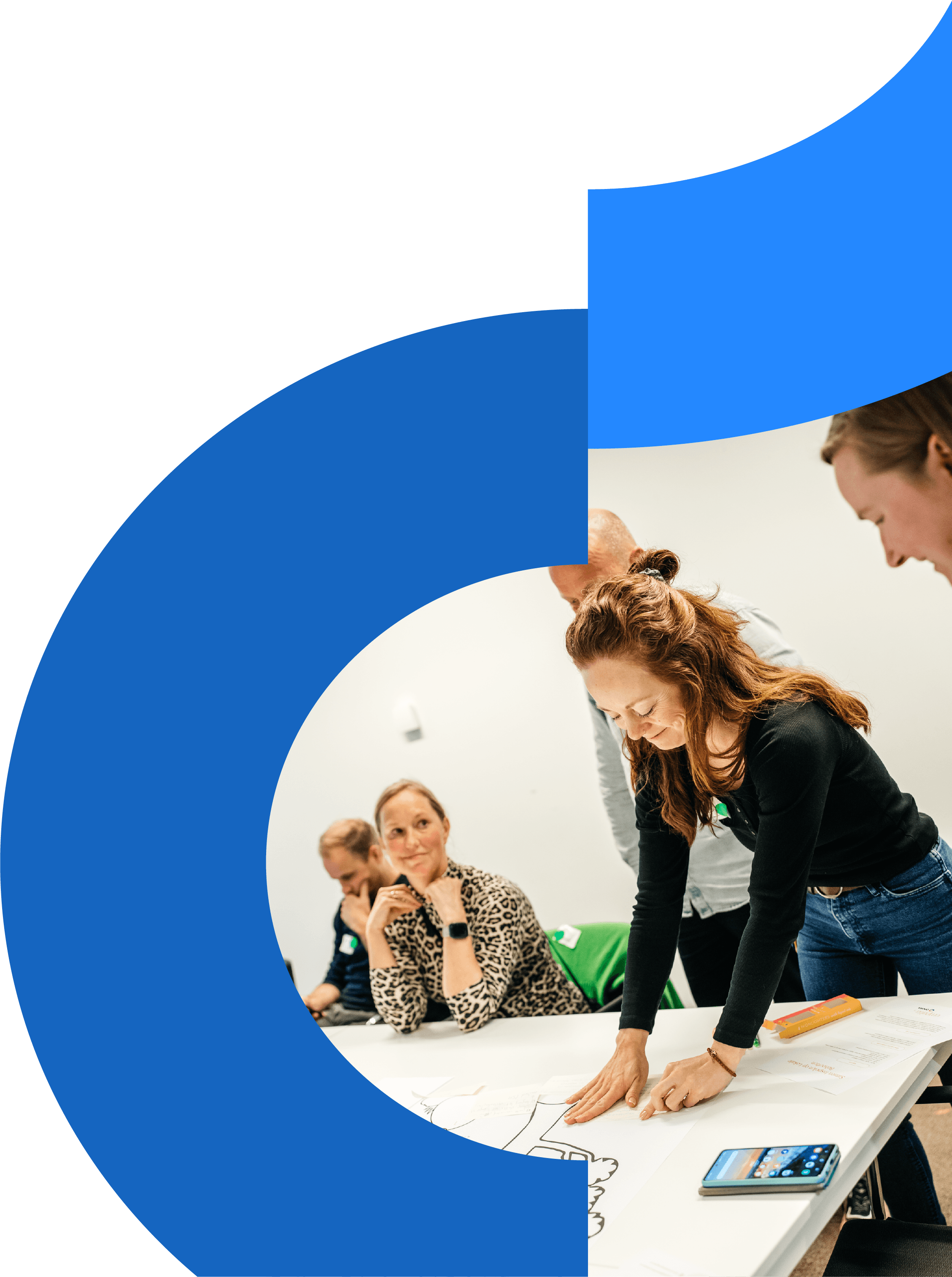
We listen to those our solutions serve
The challenges we address are not unique to migrants and displaced people; they affect many vulnerable groups. Rather than focusing on a specific population, we focus on four core topics:
01
Access to health
02
Access to justice
03
Democratic engagement
04
Social inclusion
How we define social innovation
Social innovation is about creating and applying new ways to address gaps in existing systems and better meet the needs of vulnerable communities.
For social innovation to succeed, policies, institutions, and responsible businesses must create the conditions to test new ideas, learn from experience, and scale what works. Over time, this builds stronger, more responsive, and resilient systems that better serve people and communities.
Our methodology
How we develop lasting solutions
Lasting change doesn't come from good ideas alone. Our methodology is designed to move from insight to evidence to impact — ensuring solutions are owned by the communities and institutions that need them most.
01
Identify before we build
We conduct gap analysis before any intervention, helping us understand needs, institutional barriers and where existing systems fall short.
01
Identify before we build
We conduct gap analysis before any intervention, helping us understand needs, institutional barriers and where existing systems fall short.
02
Test before we scale
We pilot solutions and use evidence and feedback to improve them in real conditions. When barriers persist, we stay — offering direct support to people while working in parallel toward sustainable, systemic change.
02
Test before we scale
We pilot solutions and use evidence and feedback to improve them in real conditions. When barriers persist, we stay — offering direct support to people while working in parallel toward sustainable, systemic change.
03
Validate through applied research
Innovation is only effective when it is proven. Through applied research, we generate insights and evidence that inform better institutional practices.
03
Validate through applied research
Innovation is only effective when it is proven. Through applied research, we generate insights and evidence that inform better institutional practices.
04
Strengthen, not replace
We build capacity rather than create dependency — strengthening the people, organizations, and systems that support communities, so change lasts beyond any single project.
04
Strengthen, not replace
We build capacity rather than create dependency — strengthening the people, organizations, and systems that support communities, so change lasts beyond any single project.
05
Stay close to communities
Participatory research, service provision and community engagement are built into how we work, keeping solutions grounded in real needs.
05
Stay close to communities
Participatory research, service provision and community engagement are built into how we work, keeping solutions grounded in real needs.
06
Embed systems change
Successful models are designed to be absorbed into existing systems and practices — public, private, and civic — not just reported on as project outcomes.
06
Embed systems change
Successful models are designed to be absorbed into existing systems and practices — public, private, and civic — not just reported on as project outcomes.

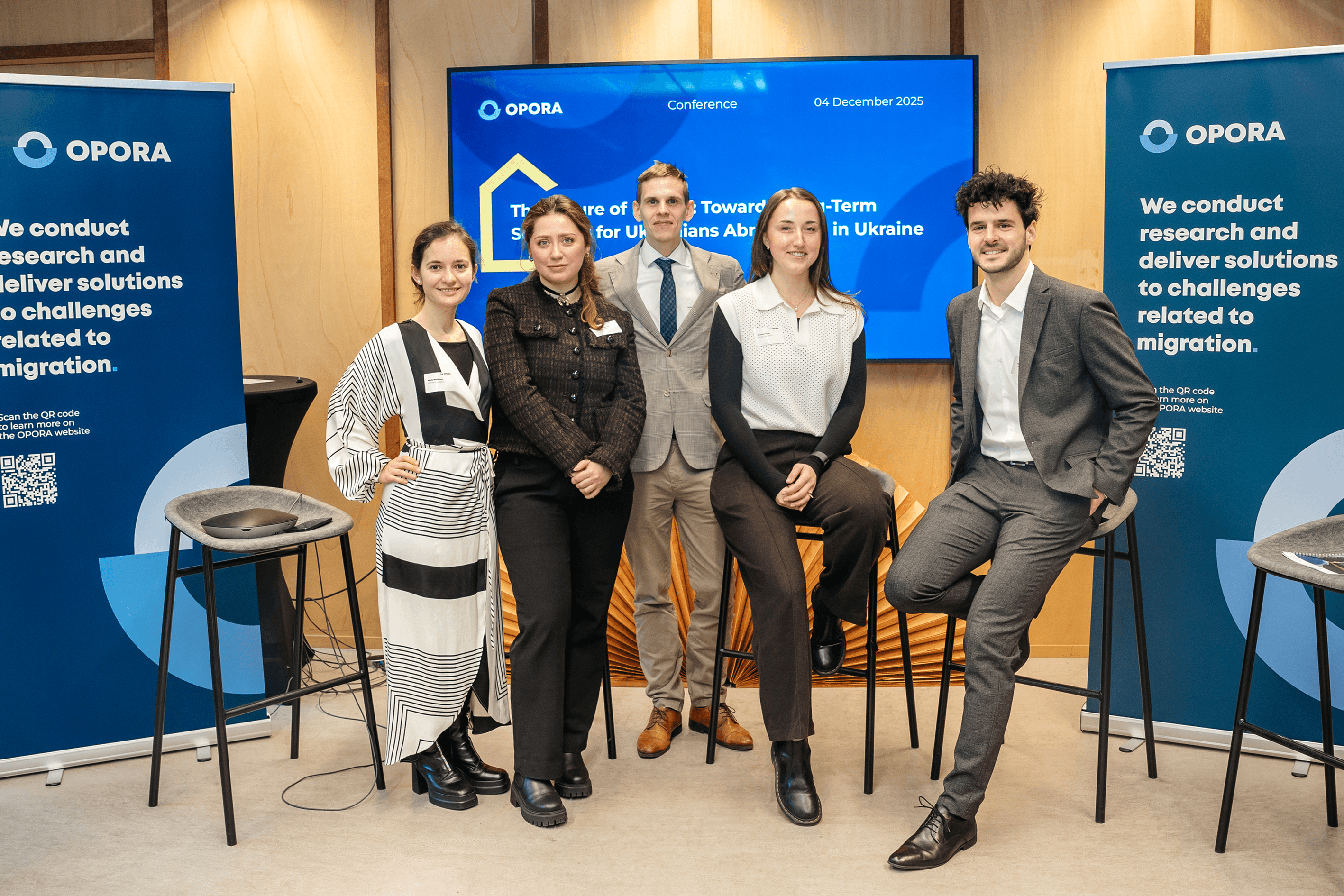
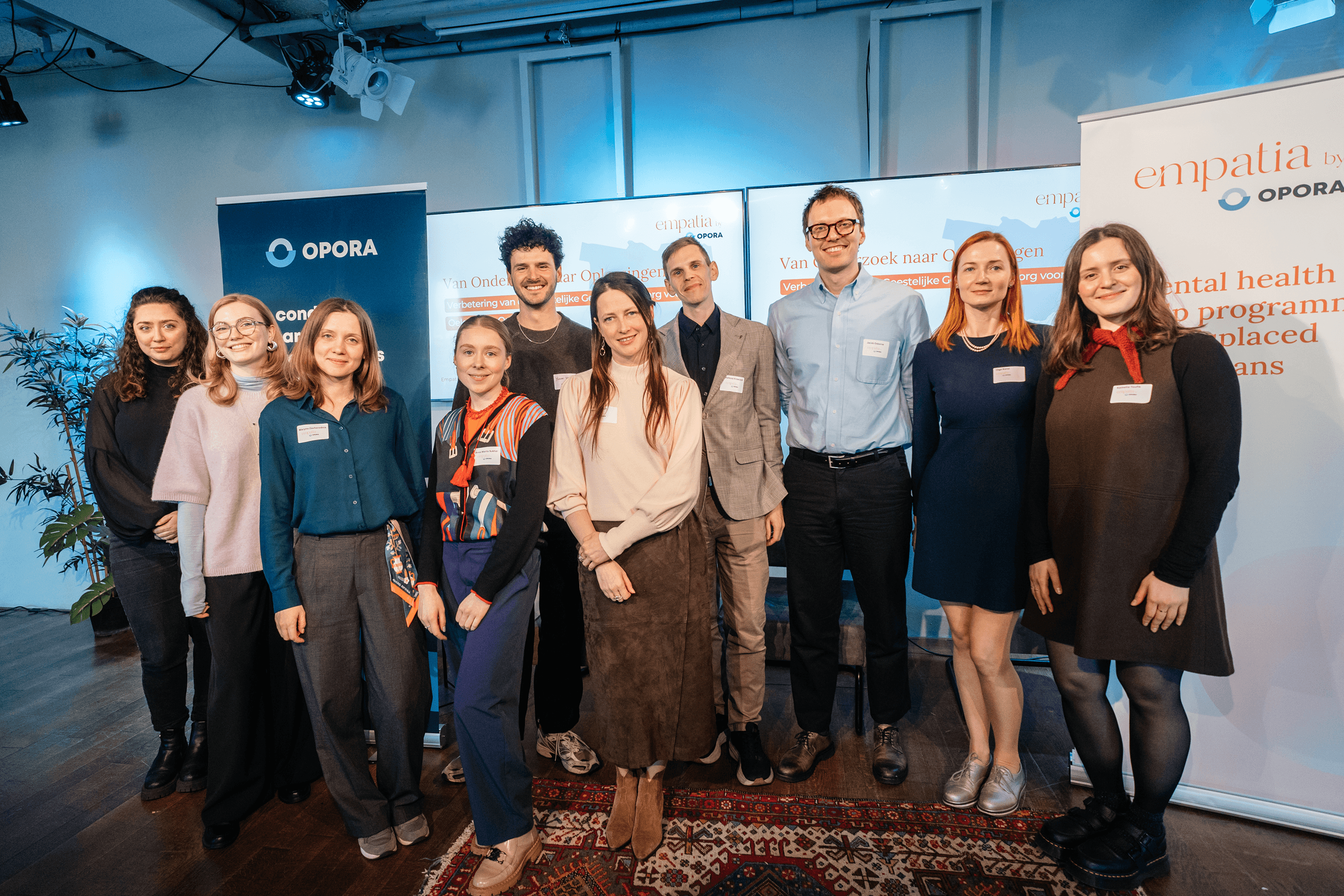
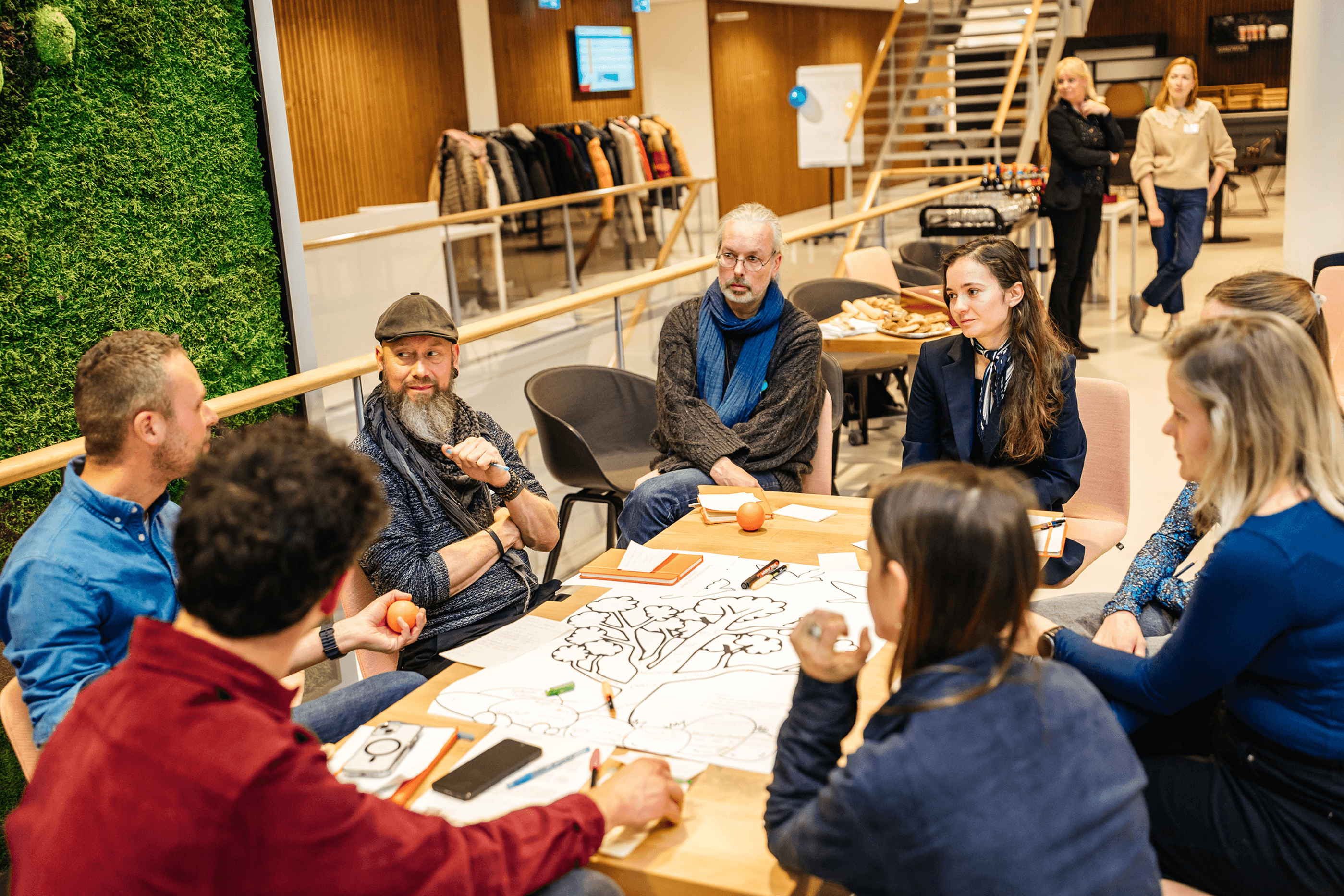
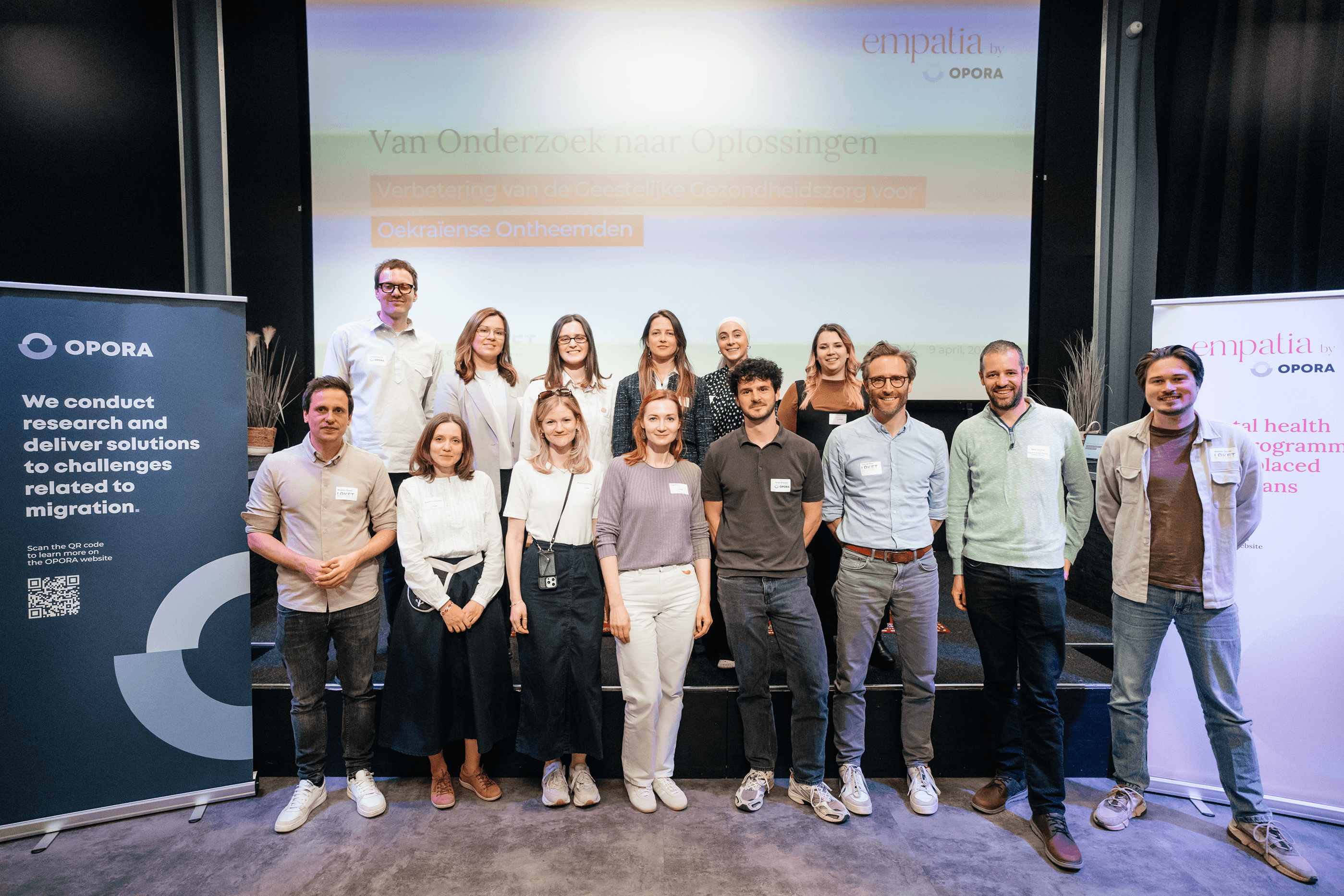
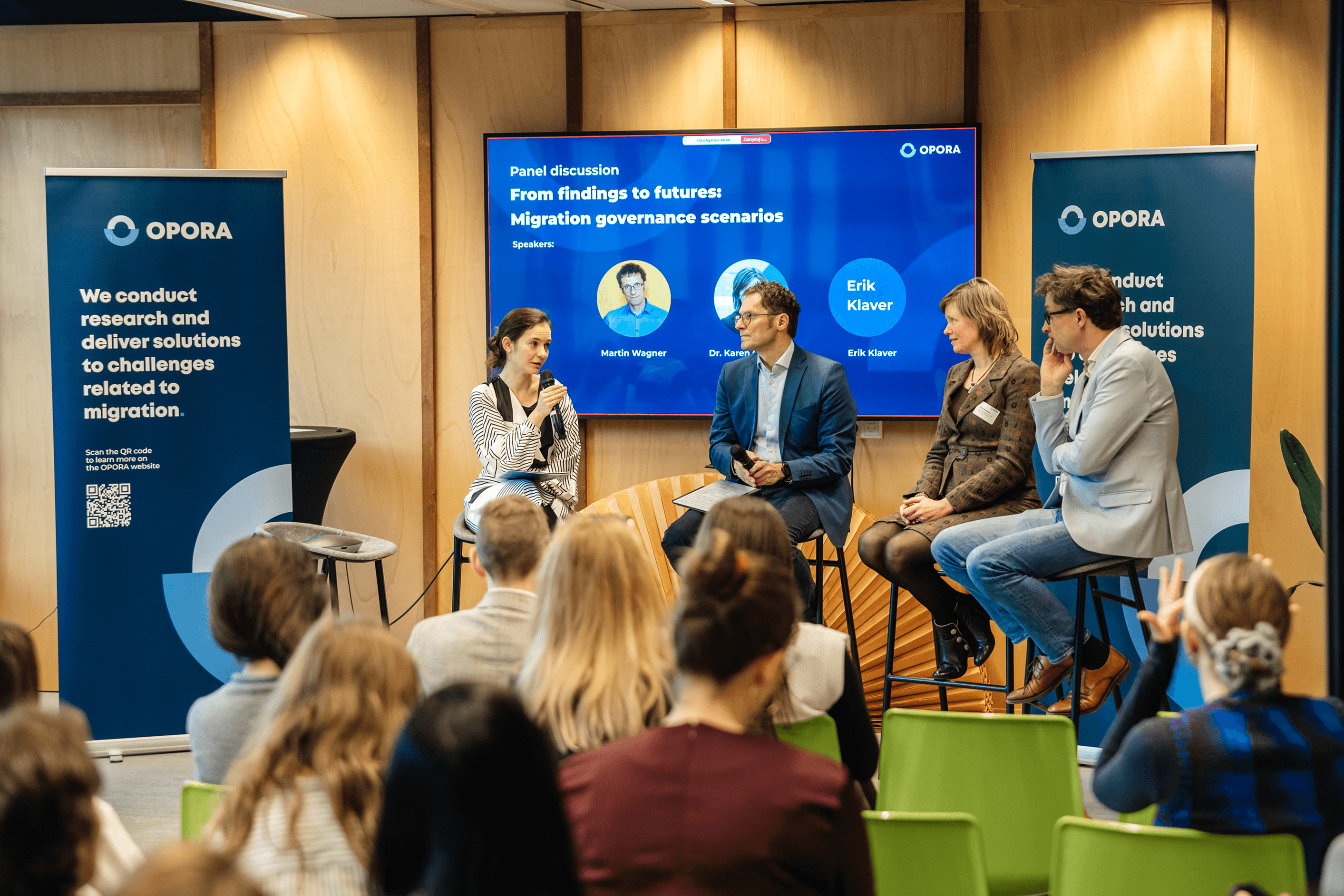
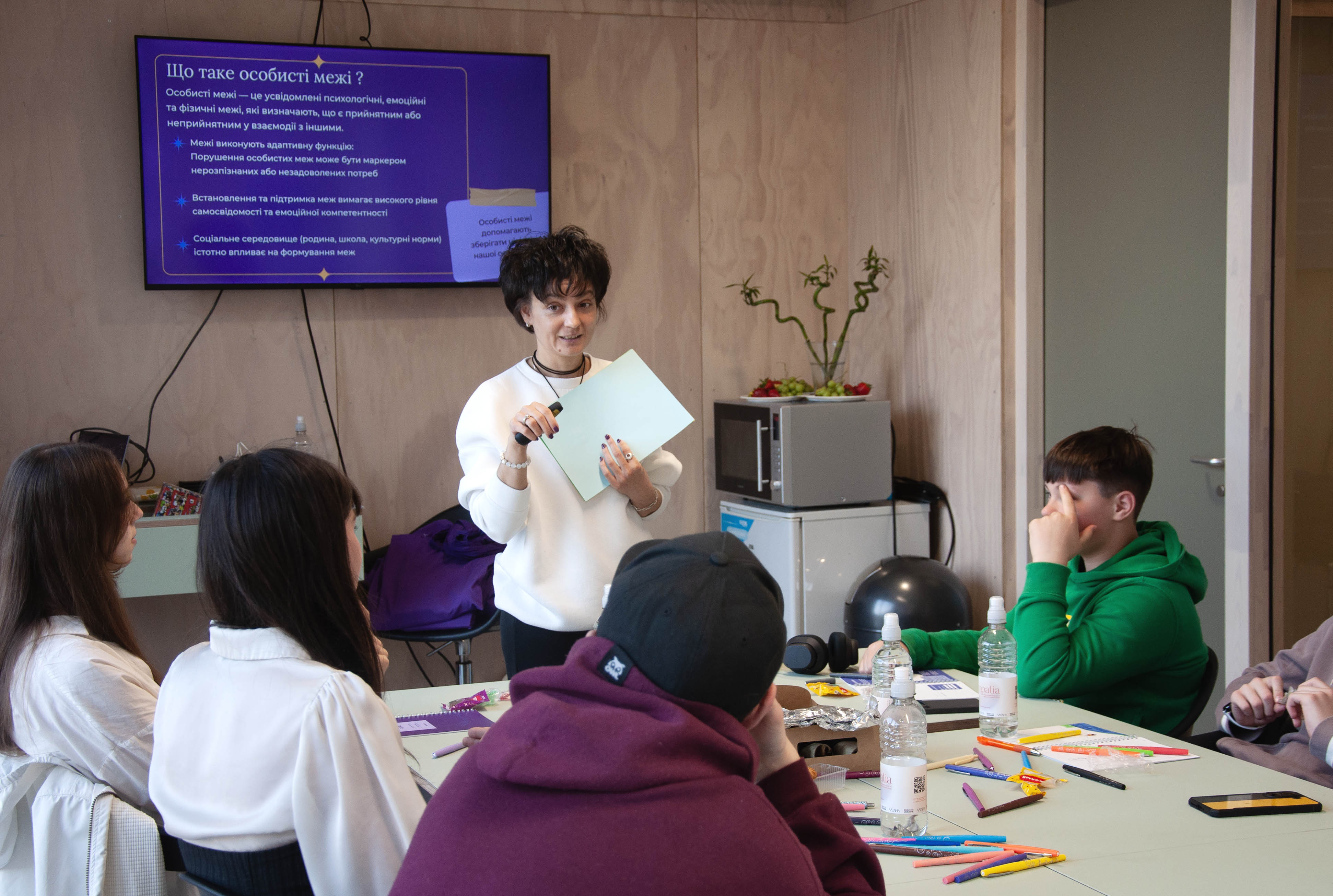
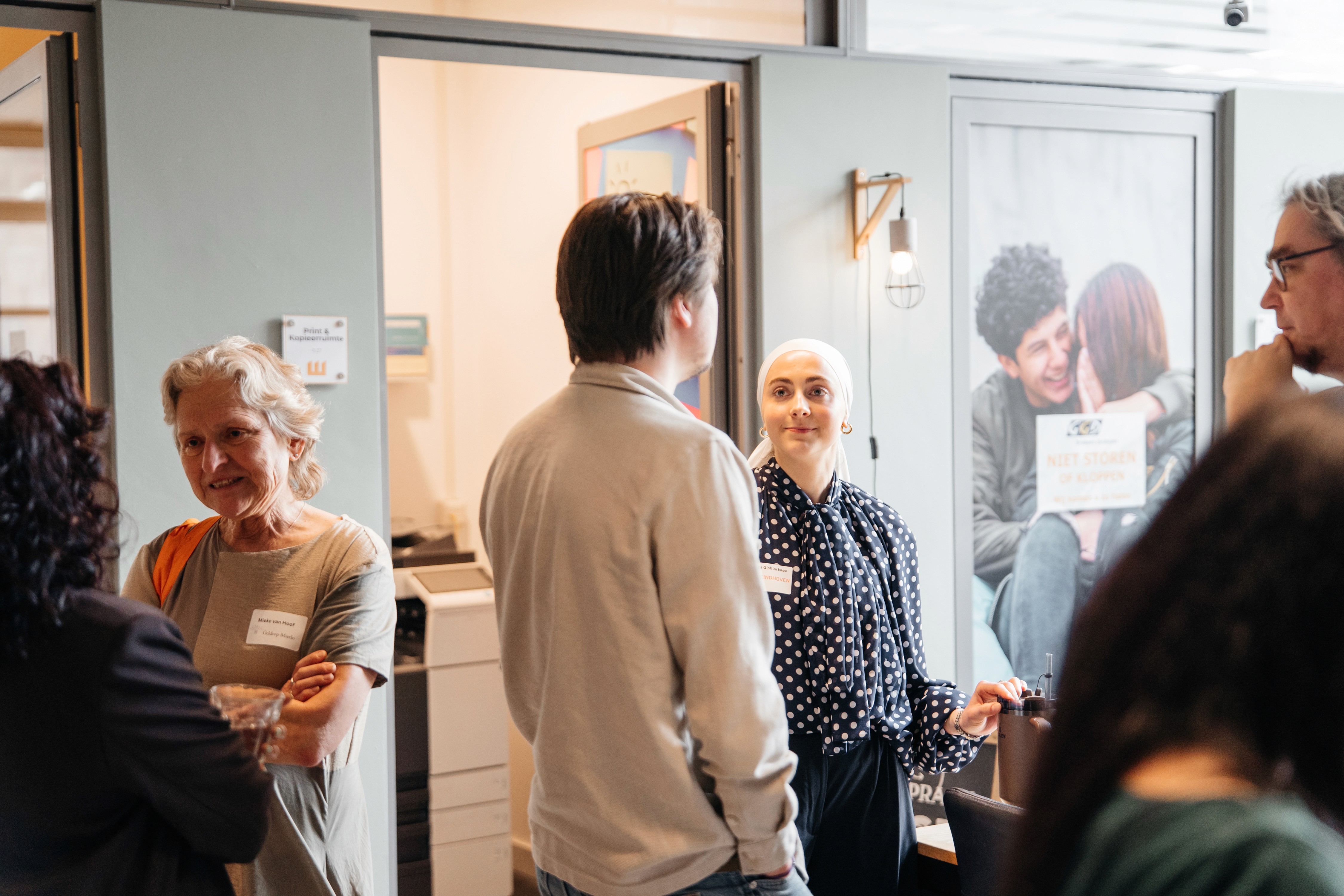
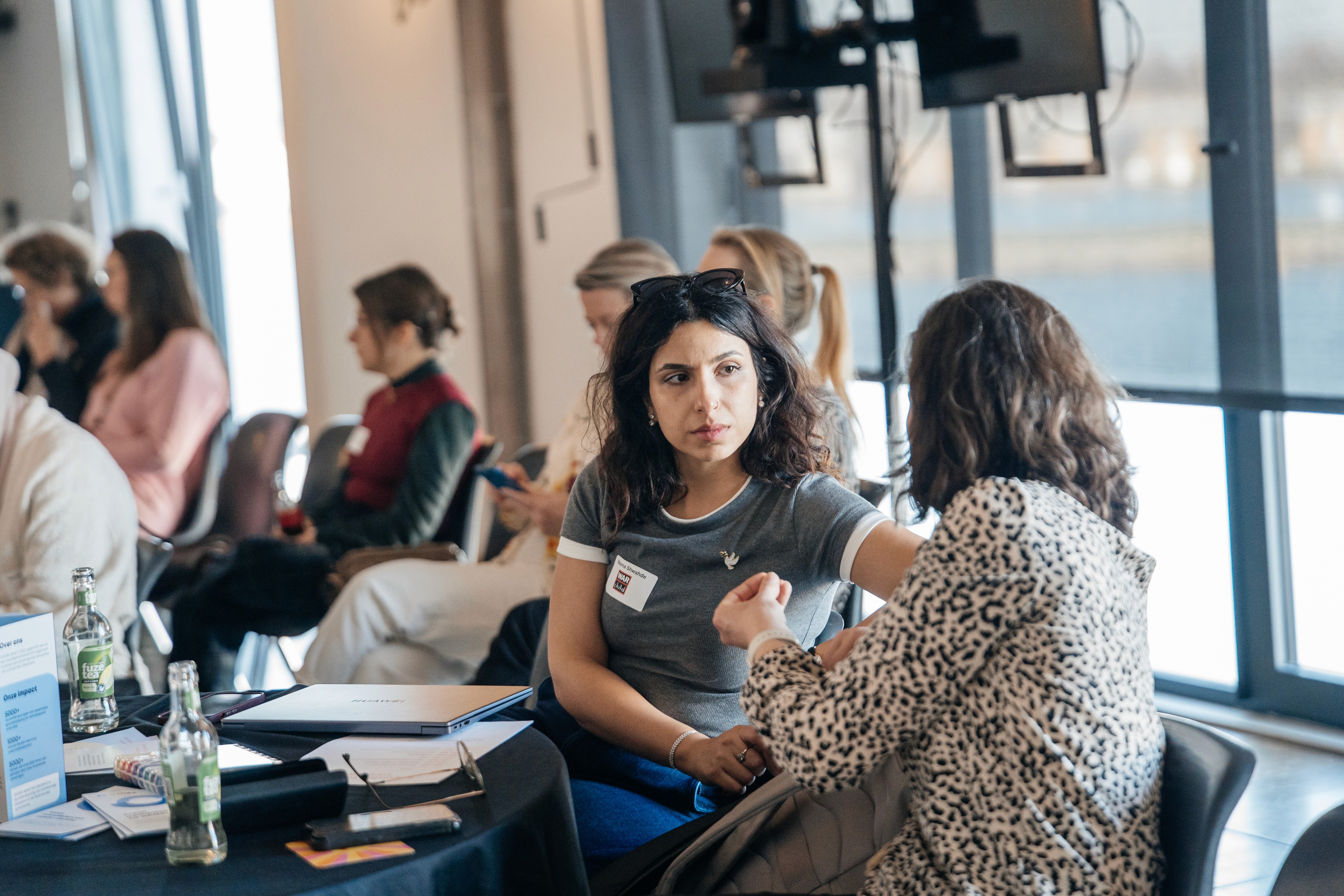
solutions
Our flagship programs demonstrate how this approach translates into practice:


The Civil Society Hub program
The Civil Society Hub is driven by action research — continuously adapting to the real needs of the organisations it works with functioning as a startup hub that provides the foundation to build, test, and sustain their work.
Discover more projects
Explore our work across justice, mental health, social inclusion, and democratic engagement

solutions
Our flagship programs demonstrate how this approach translates into practice:
The Civil Society Hub program
The Civil Society Hub is driven by action research — continuously adapting to the real needs of the organisations it works with functioning as a startup hub that provides the foundation to build, test, and sustain their work.
Discover more projects
Explore our work across justice, mental health, social inclusion, and democratic engagement
solutions
Our flagship programs demonstrate how this approach translates into practice:
The Civil Society Hub program
The Civil Society Hub is driven by action research — continuously adapting to the real needs of the organisations it works with functioning as a startup hub that provides the foundation to build, test, and sustain their work.
Discover more projects
Explore our work across justice, mental health, social inclusion, and democratic engagement
Our latest research
Research Report: The Regionalization of Mental Health Support
Research Report: Navigating Return
Comparative Policy Report: February 2026
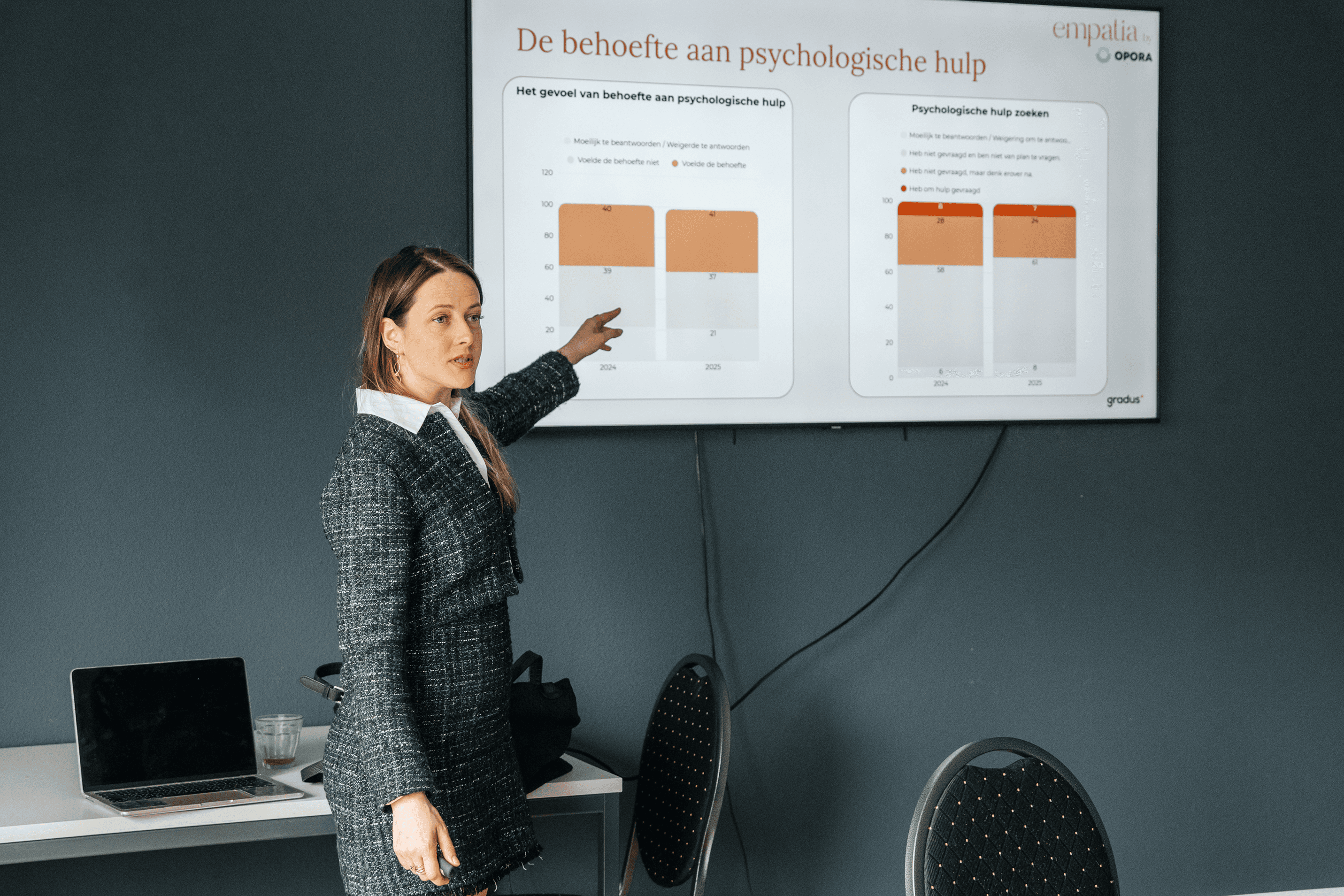
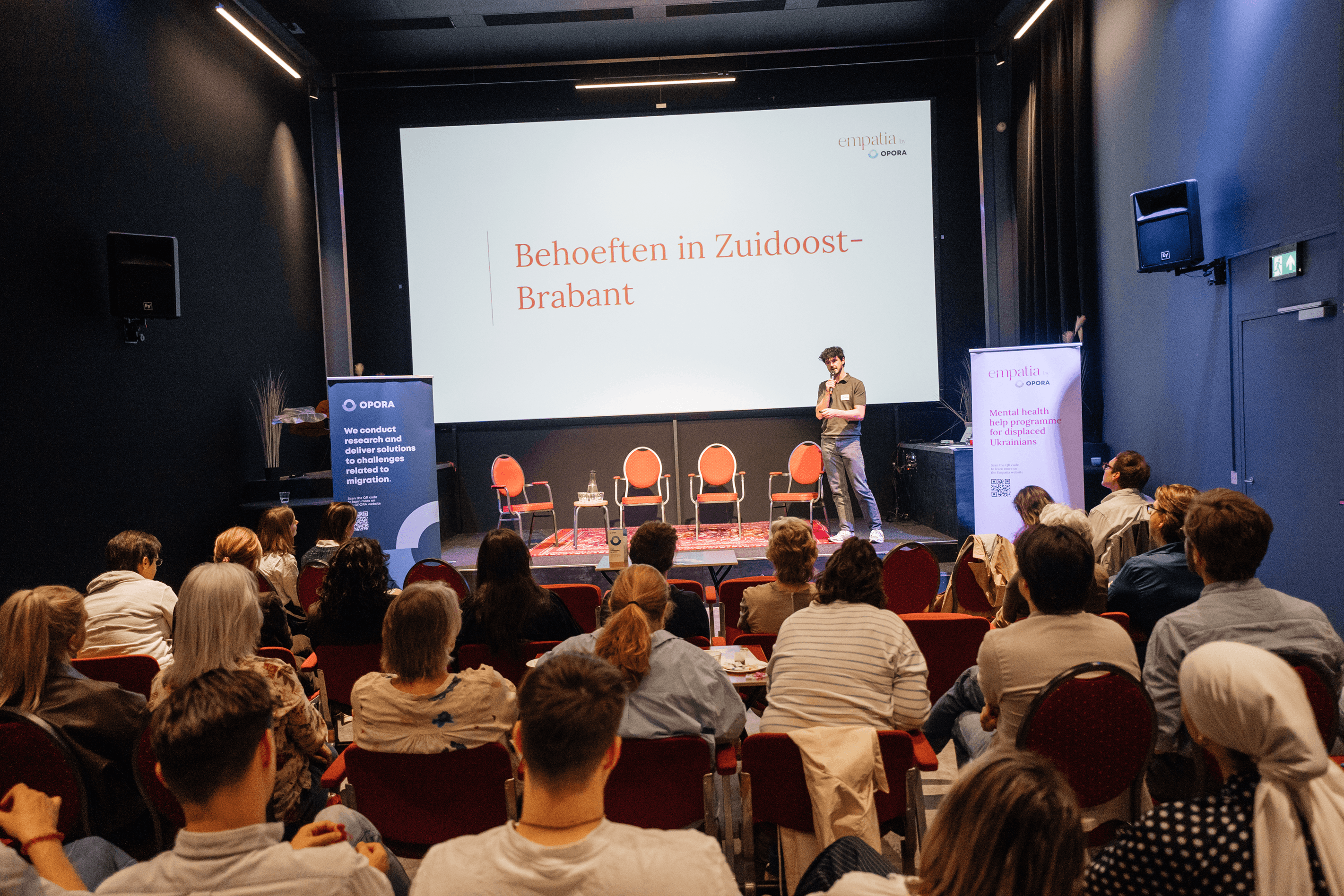
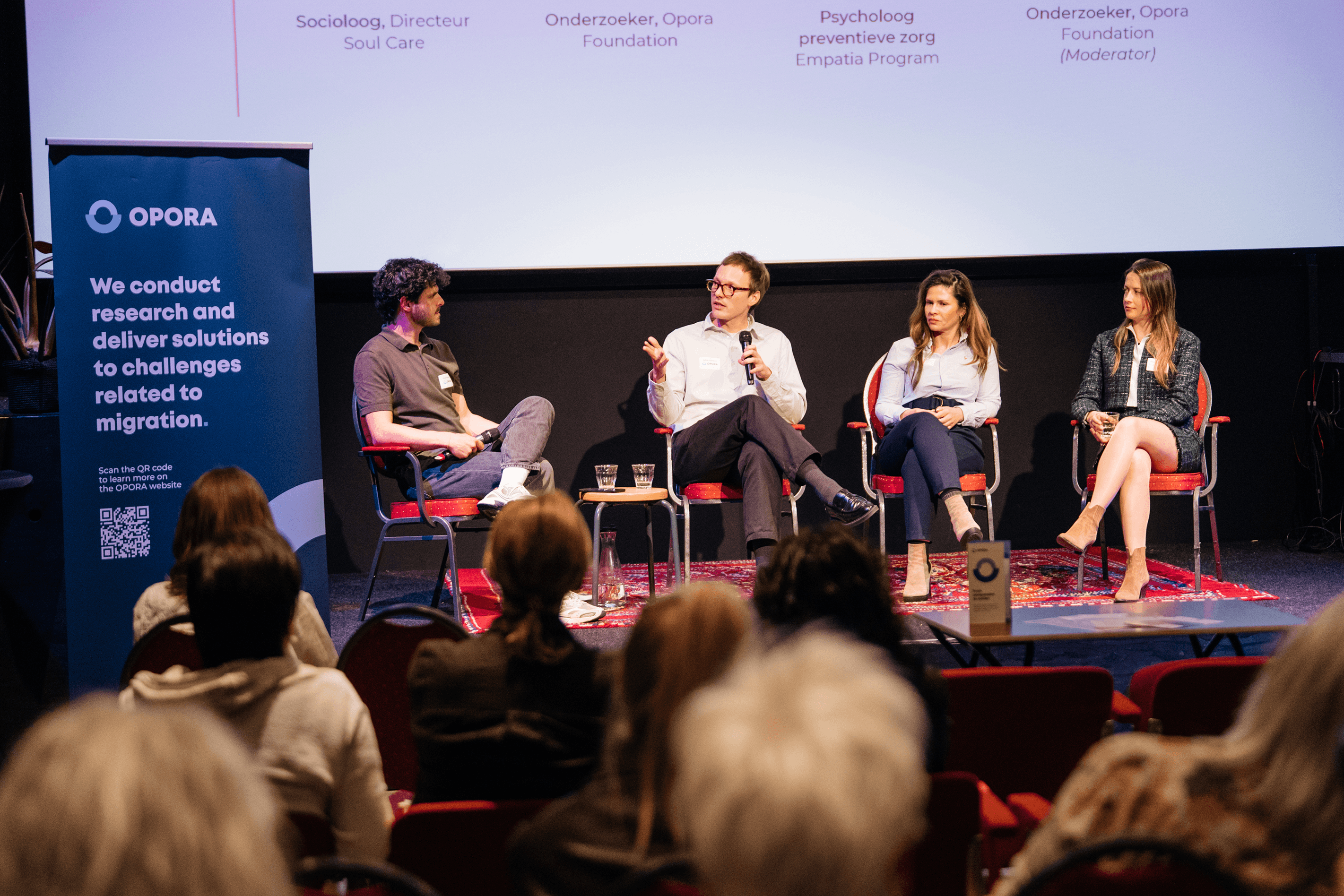
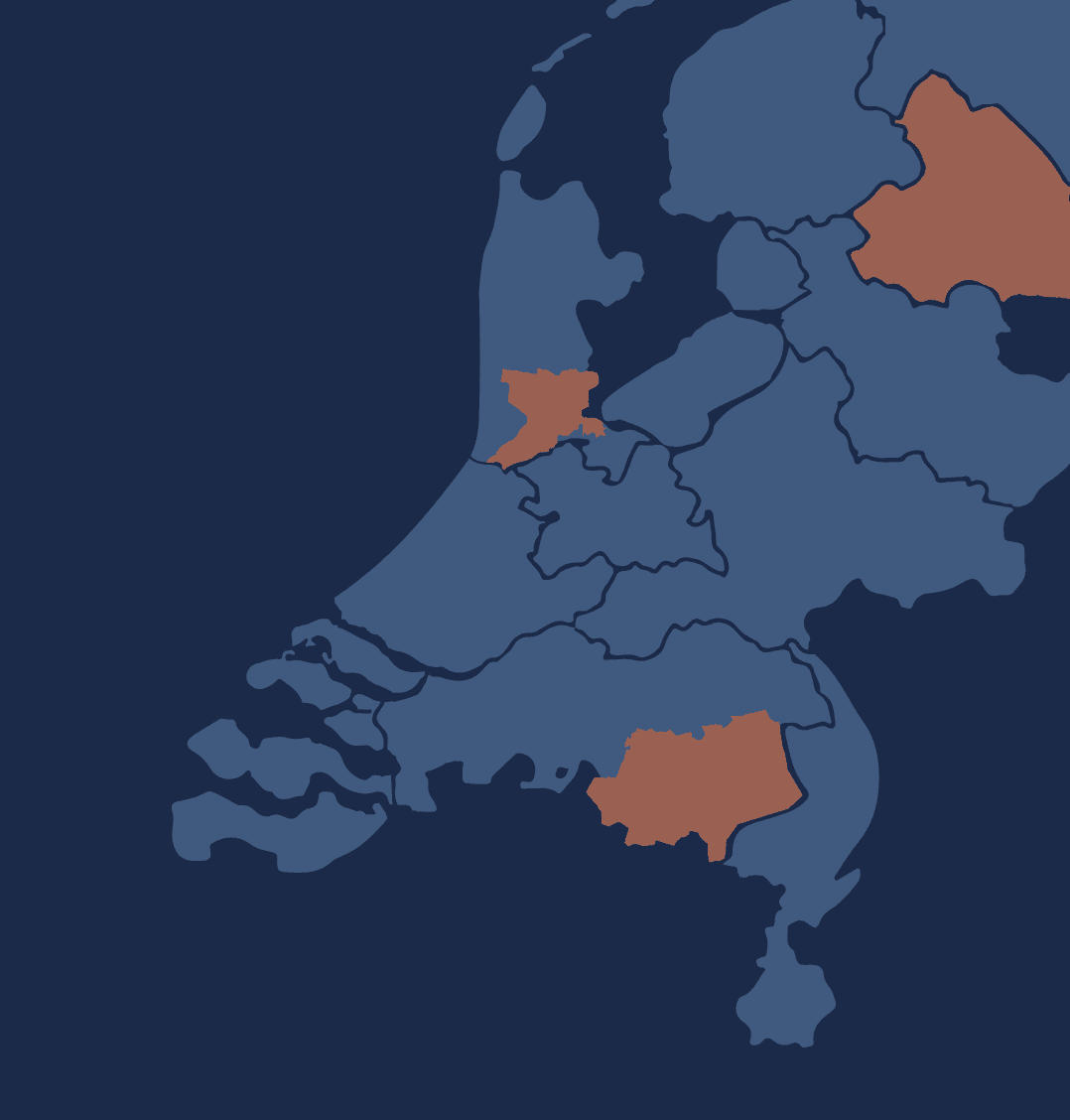
This report brings together findings from our fieldwork and regional research conducted in the regions of Drenthe, Southeast Brabant, and Amsterdam-Amstelland on access to mental health support for displaced Ukrainians in the Netherlands.
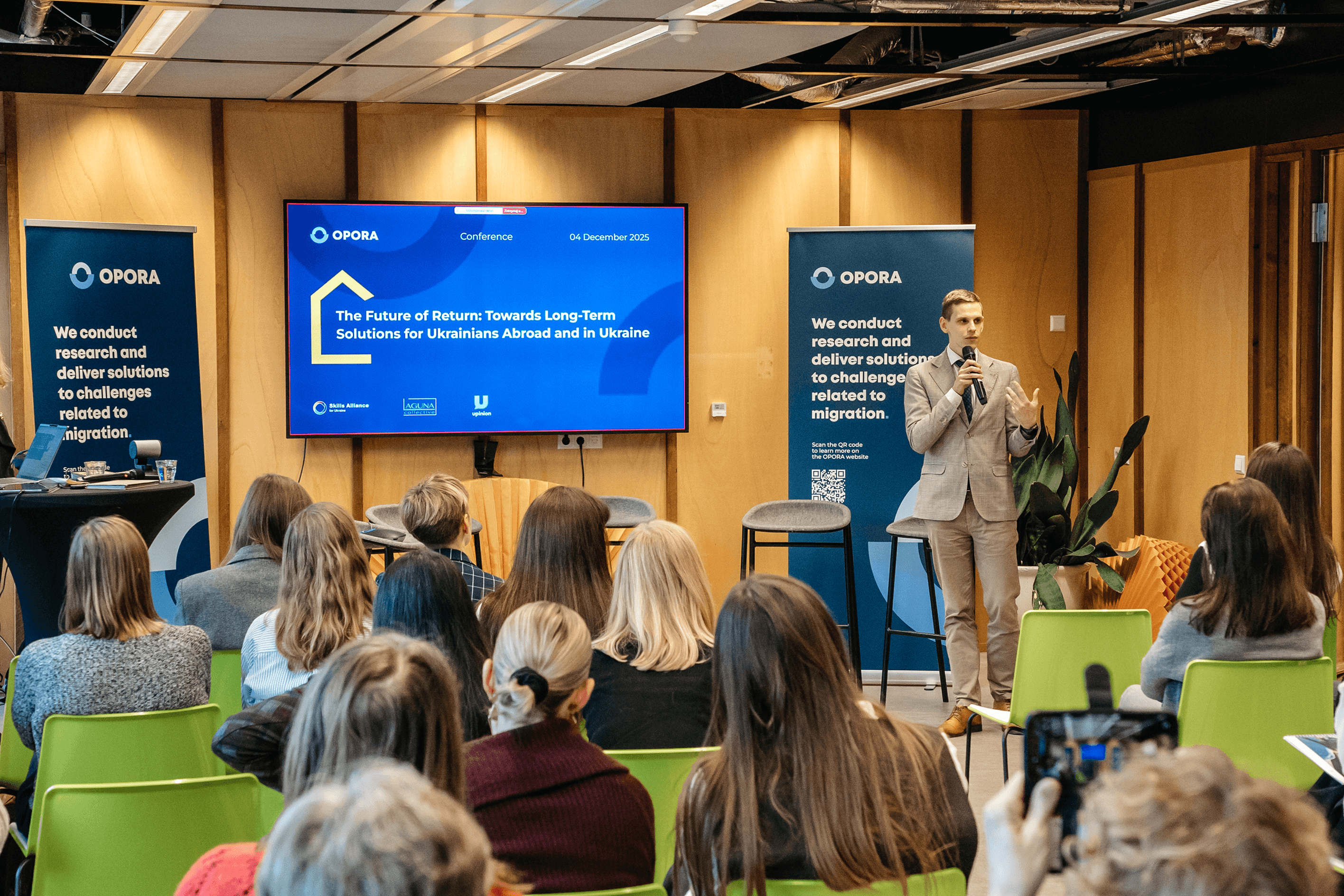
This report presents findings from Navigating Return, a 14-month mixed-methods study of Ukrainians who lived under the EU Temporary Protection Directive (TPD) and returned to Ukraine during active conflict.
This comparative policy report analyzes implementation of the EU Temporary Protection Directive in Poland and Italy. It traces the shift from emergency solidarity to longer-term inclusion, examining legal frameworks, governance, labour and social integration, political contexts, and implications for sustainable protection across welfare systems.






Our latest research
Research Report: The Regionalization of Mental Health Support
Research Report: Navigating Return
Comparative Policy Report: February 2026
This report brings together findings from our fieldwork and regional research conducted in the regions of Drenthe, Southeast Brabant, and Amsterdam-Amstelland on access to mental health support for displaced Ukrainians in the Netherlands.
Our latest research
Research Report: The Regionalization of Mental Health Support
Research Report: Navigating Return
Comparative Policy Report: February 2026
This report brings together findings from our fieldwork and regional research conducted in the regions of Drenthe, Southeast Brabant, and Amsterdam-Amstelland on access to mental health support for displaced Ukrainians in the Netherlands.
This report presents findings from Navigating Return, a 14-month mixed-methods study of Ukrainians who lived under the EU Temporary Protection Directive (TPD) and returned to Ukraine during active conflict.
This comparative policy report analyzes implementation of the EU Temporary Protection Directive in Poland and Italy. It traces the shift from emergency solidarity to longer-term inclusion, examining legal frameworks, governance, labour and social integration, political contexts, and implications for sustainable protection across welfare systems.
Our impact
5000+
Processed mental health and legal aid requests since 2022.
1000+
Individuals reached through our research reports.
15+
Research projects and programs conducted to aid displaced communities.
5000+
Direct beneficiaries of our innovative solutions since 2022.
Our impact
5000+
Processed mental health and legal aid requests since 2022.
1000+
Individuals reached through our research reports.
15+
Research projects and programs conducted to aid displaced communities.
5000+
Direct beneficiaries of our innovative solutions since 2022.
Our impact
5000+
Processed mental health and legal aid requests since 2022.
1000+
Individuals reached through our research reports.
15+
Research projects and programs conducted to aid displaced communities.
5000+
Direct beneficiaries of our innovative solutions since 2022.
About us
We are passionate about creating practical solutions
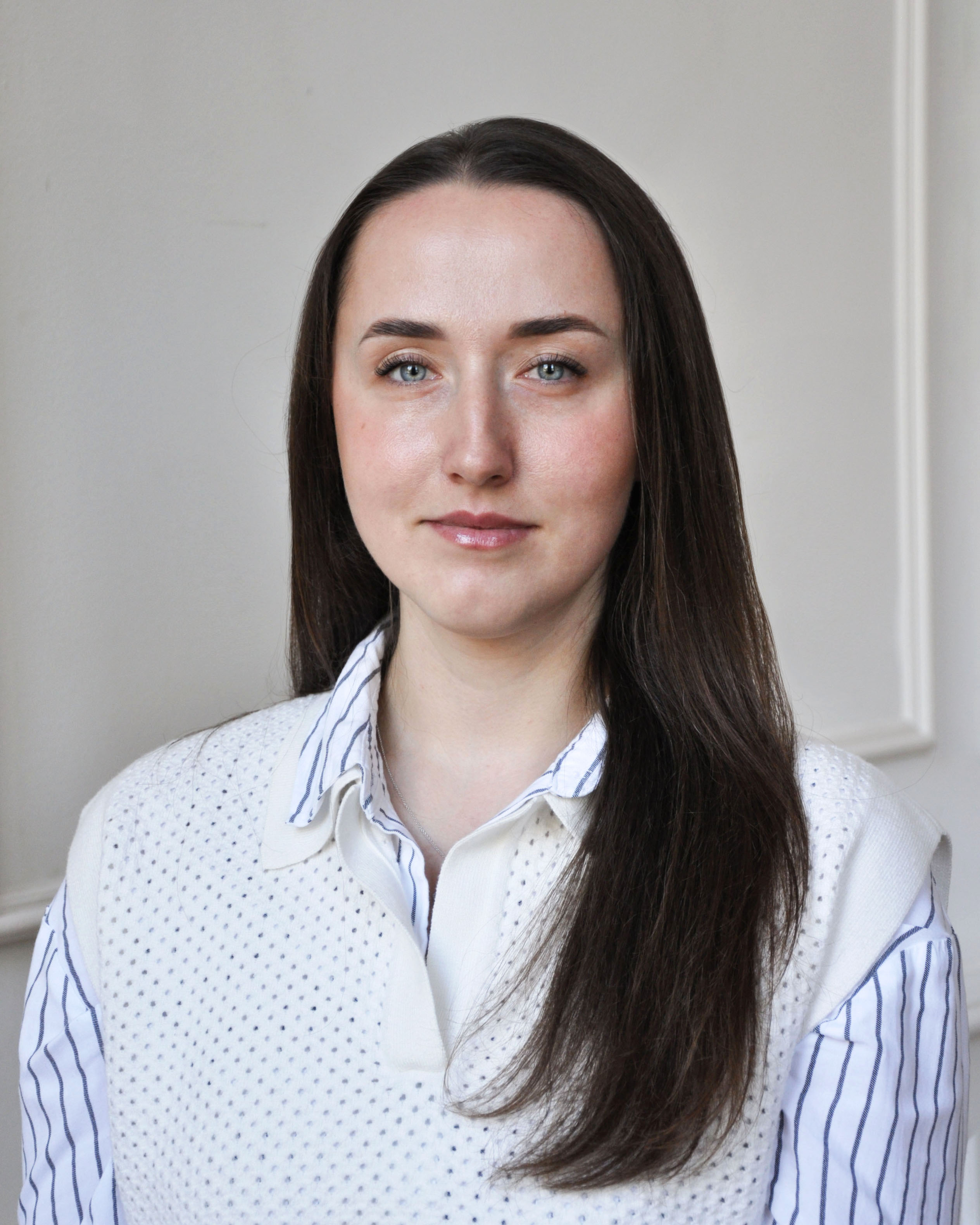
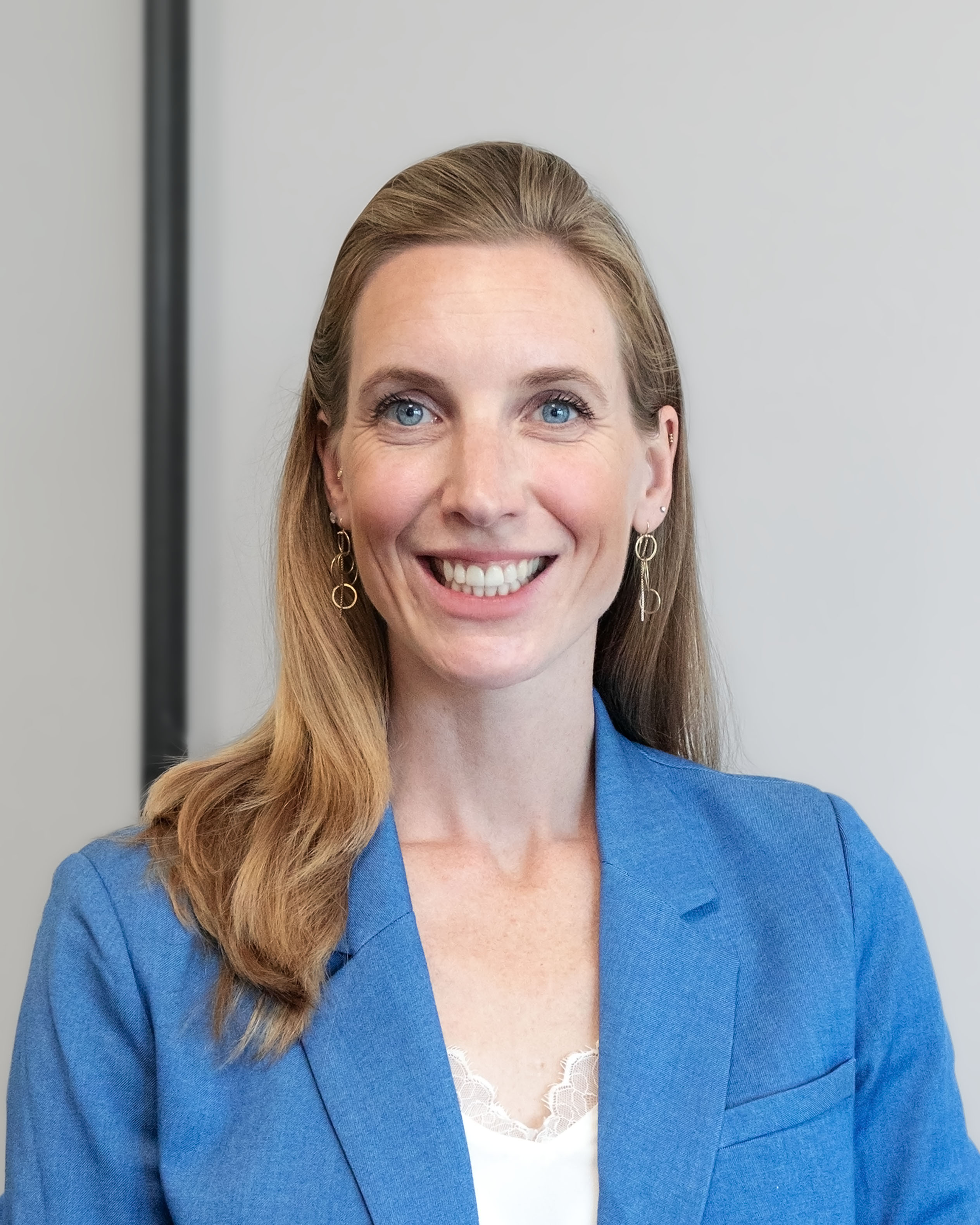
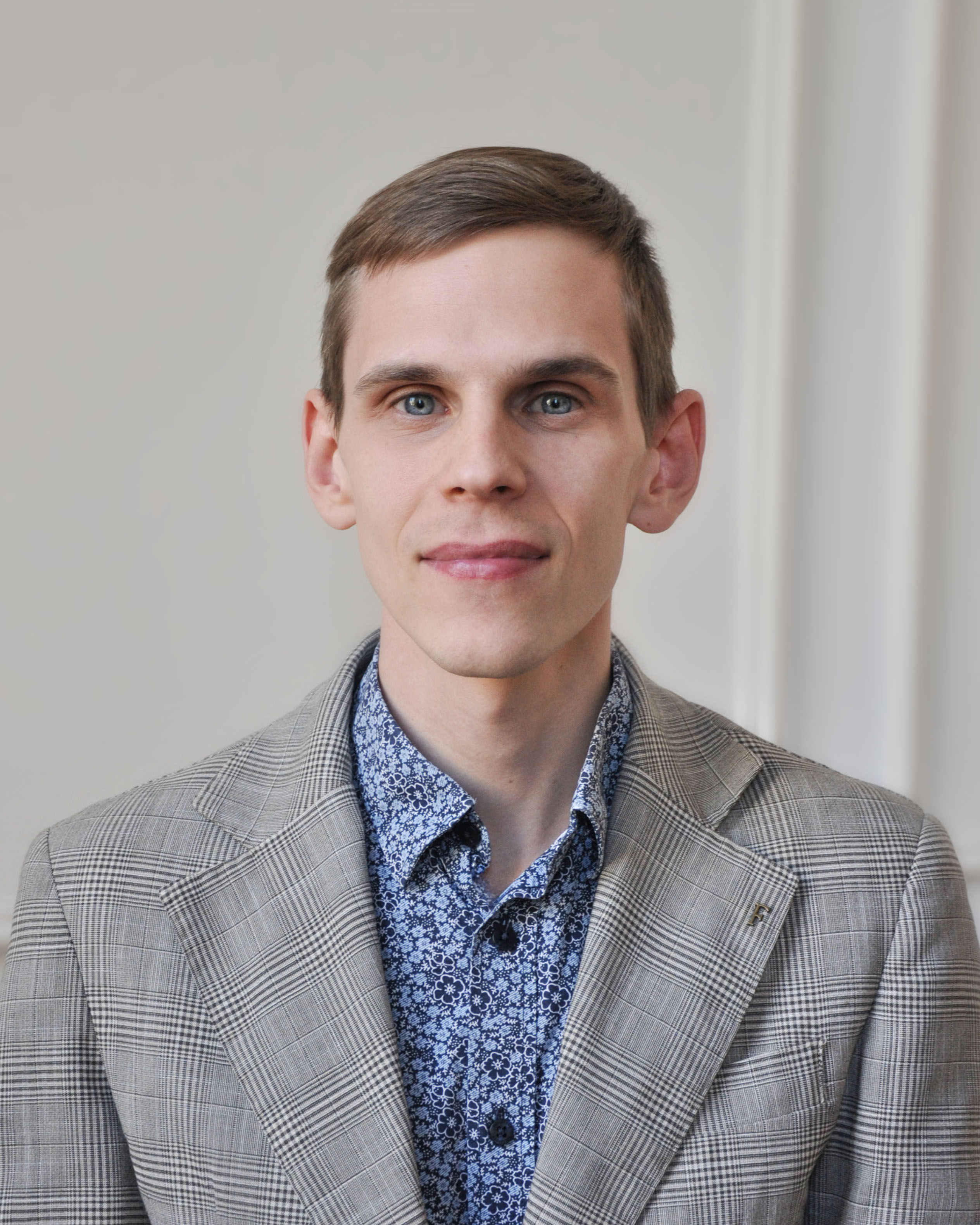
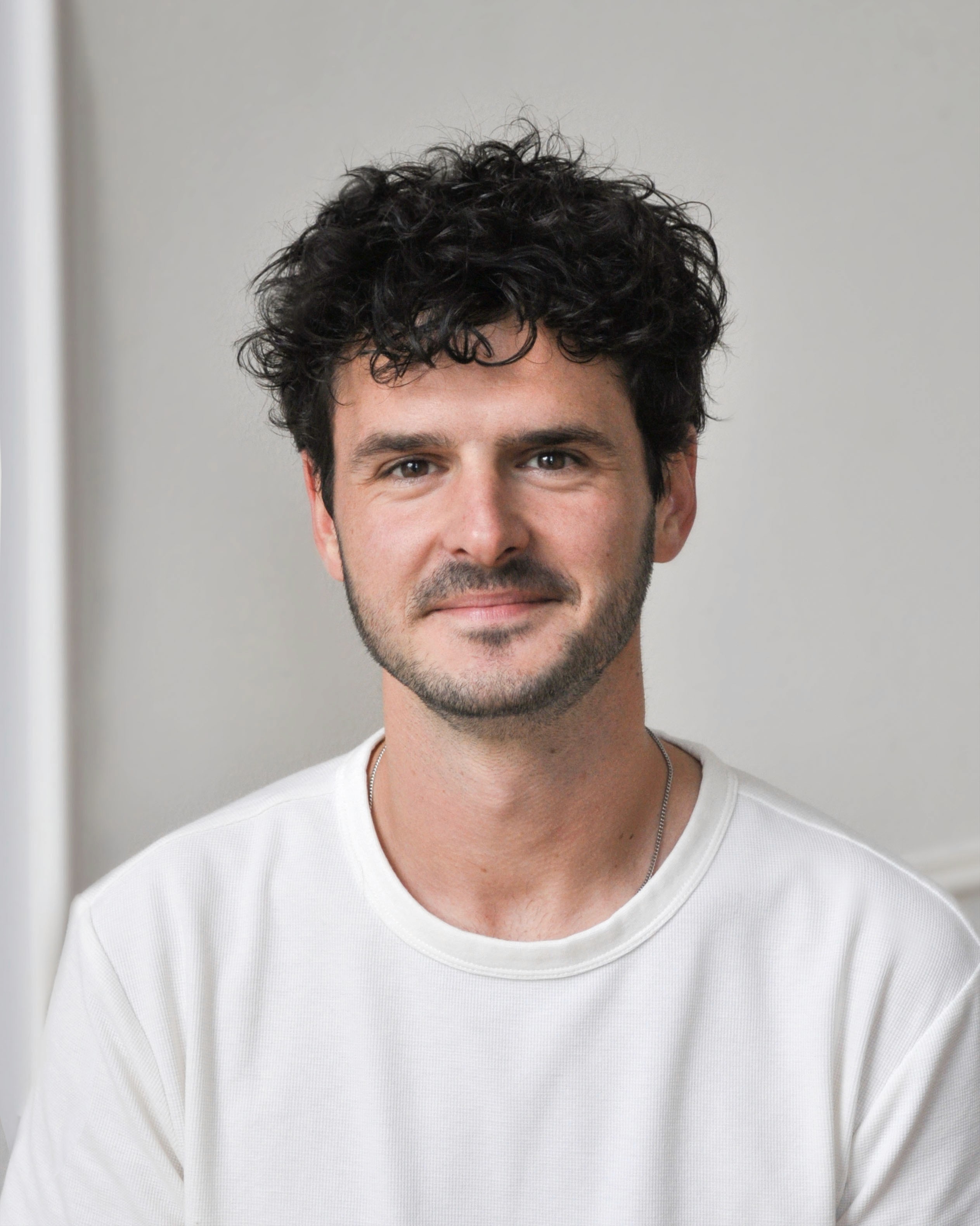
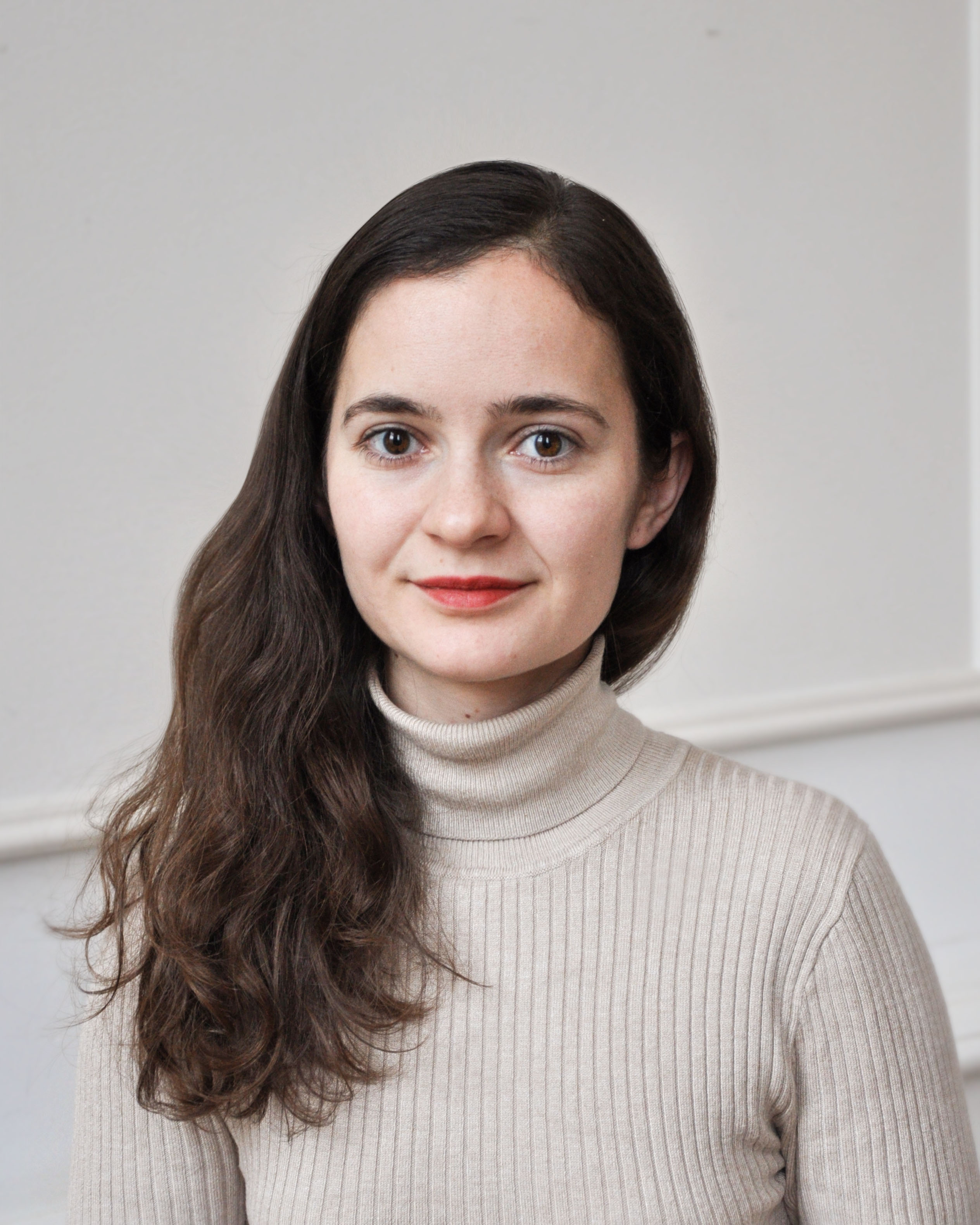
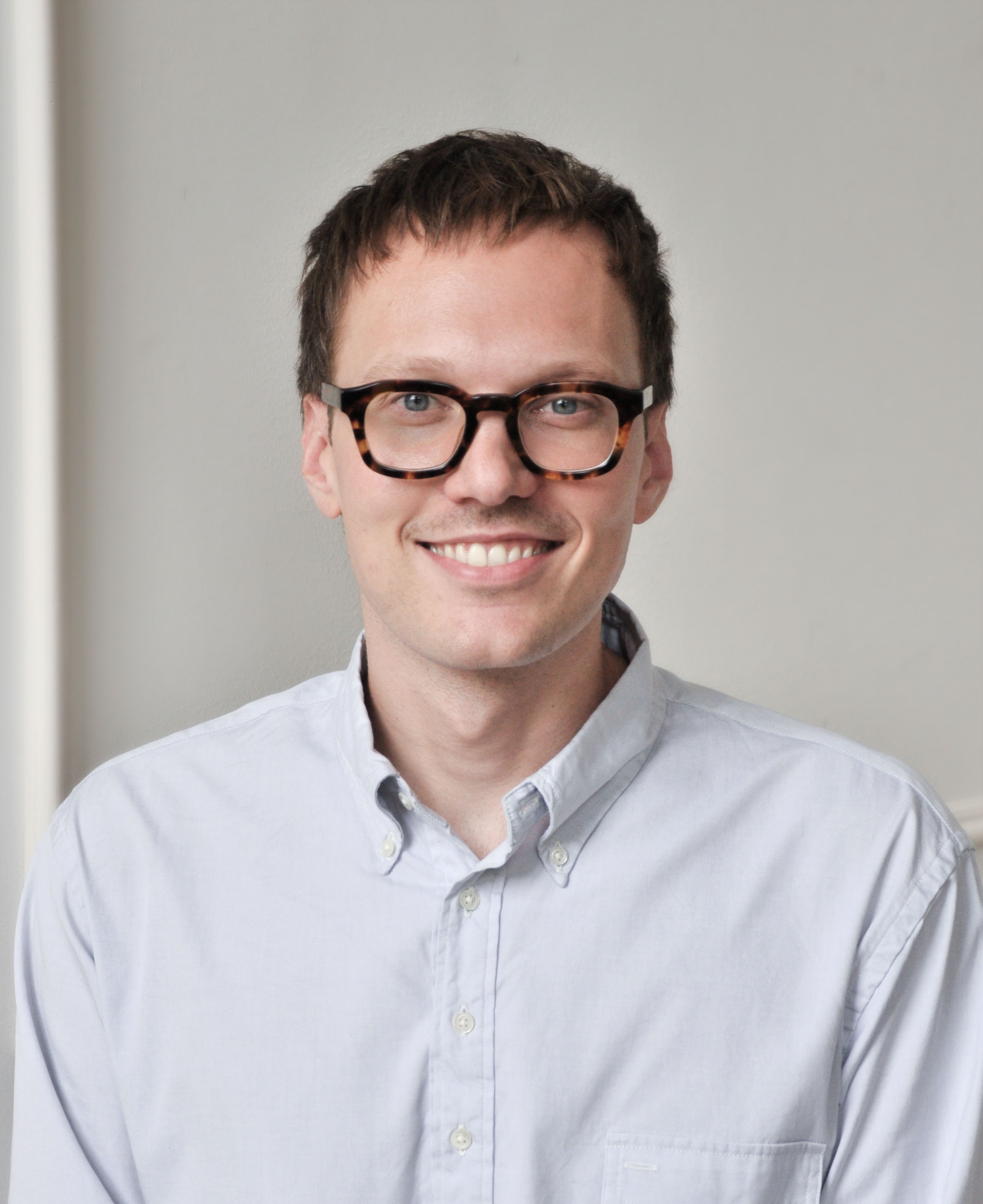
Our team of international experts has a diverse range of backgrounds in academia, business, social work, and policy development. We work together to make a positive impact.
About us
We are passionate about creating practical solutions
Our team of international experts has a diverse range of backgrounds in academia, business, social work, and policy development. We work together to make a positive impact.







Our Partners



Our Partners
Our Partners
Latest OPORa's News
Latest OPORa's News

General
Article
“I Realised That My Experience Has Value”: Bogdana Postrygan’s Civil Society HUB Journey
We spoke with Bogdana about how the Oekraïense Club came to life, what she learned through the Civil Society HUB, and why she believes community initiatives need to move from endless volunteering towards sustainable, professional work.
Research
General
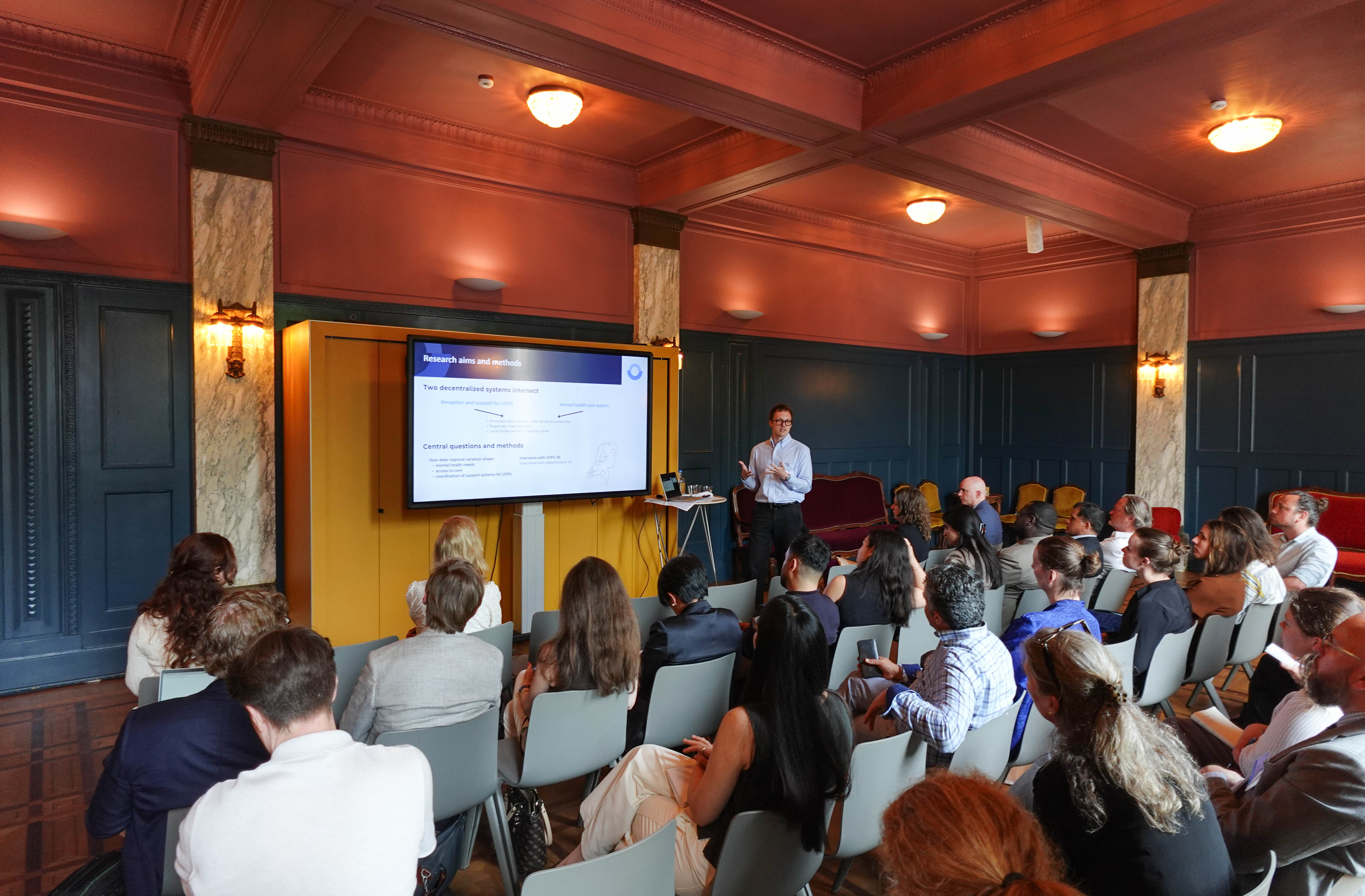
OPORA Foundation at the State of the Art Conference at the Koninklijke Schouwburg in The Hague
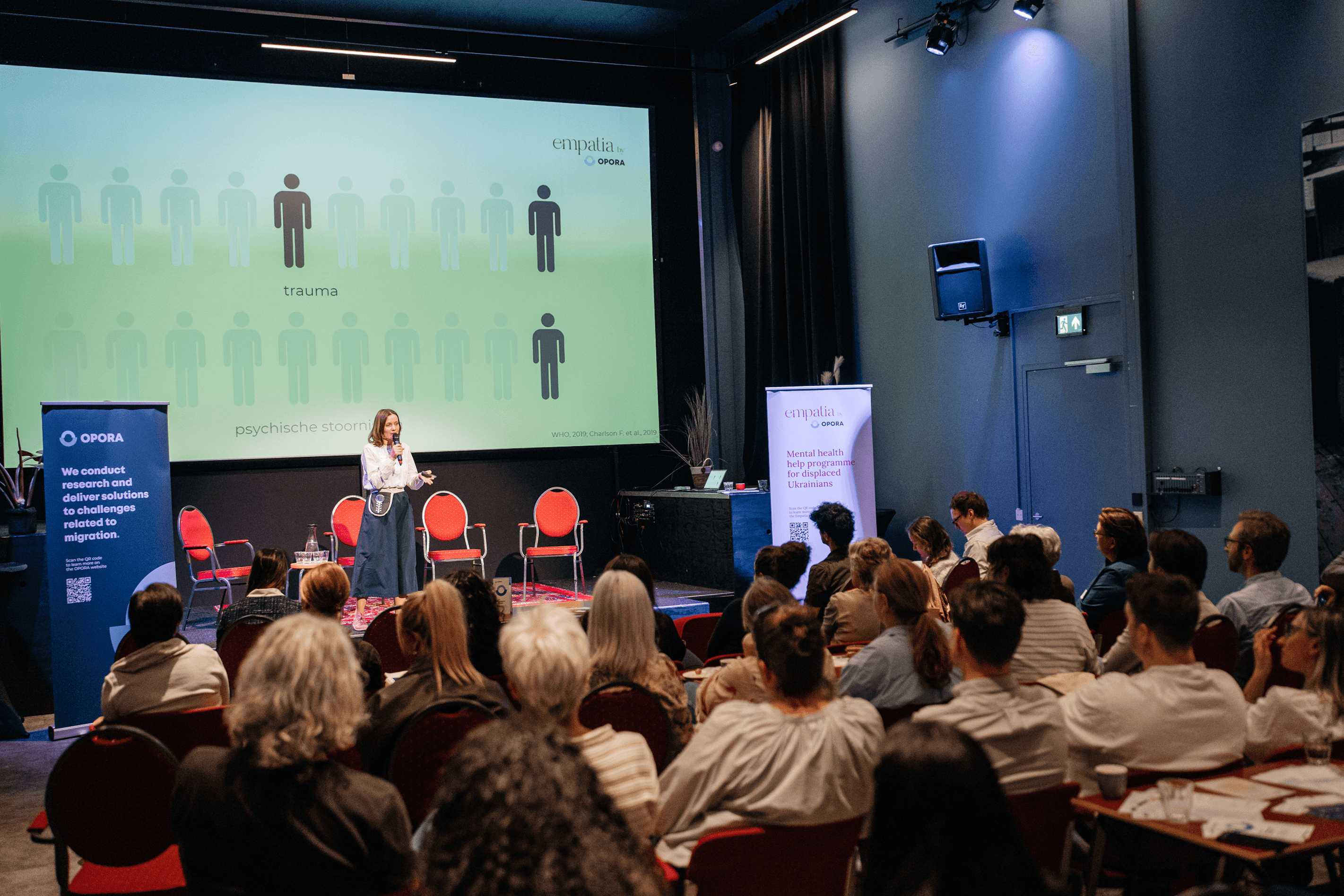
Yesterday, OPORA Foundation participated in the State of the Art Conference at the Koninklijke Schouwburg in The Hague, contributing to the session Navigating Uncertainty: Regional Support, Policy Dilemmas, and the Ukrainian Return.
Research
Article
Hiring displaced people is not a risk. - Francesco Taiariol
When talking about refugee employment and integration, the discussions are often framed by extremes, but this small company in Turin offers a different perspective — one grounded not in theory, but in experience.
General
Article
“I Realised That My Experience Has Value”: Bogdana Postrygan’s Civil Society HUB Journey
We spoke with Bogdana about how the Oekraïense Club came to life, what she learned through the Civil Society HUB, and why she believes community initiatives need to move from endless volunteering towards sustainable, professional work.
Research
General
OPORA Foundation at the State of the Art Conference at the Koninklijke Schouwburg in The Hague
Yesterday, OPORA Foundation participated in the State of the Art Conference at the Koninklijke Schouwburg in The Hague, contributing to the session Navigating Uncertainty: Regional Support, Policy Dilemmas, and the Ukrainian Return.
Research
Article
Hiring displaced people is not a risk. - Francesco Taiariol
When talking about refugee employment and integration, the discussions are often framed by extremes, but this small company in Turin offers a different perspective — one grounded not in theory, but in experience.

Questions or feedback? We value your input!
Reach out to us via the contact form or email. Your involvement helps us improve and make a greater impact together.
Questions or feedback? We value your input!
Reach out to us via the contact form or email. Your involvement helps us improve and make a greater impact together.
Questions or feedback? We value your input!
Reach out to us via the contact form or email. Your involvement helps us improve and make a greater impact together.