Research
General
OPORA Hosts Mutual Learning Sessions as Part of the IARI Project
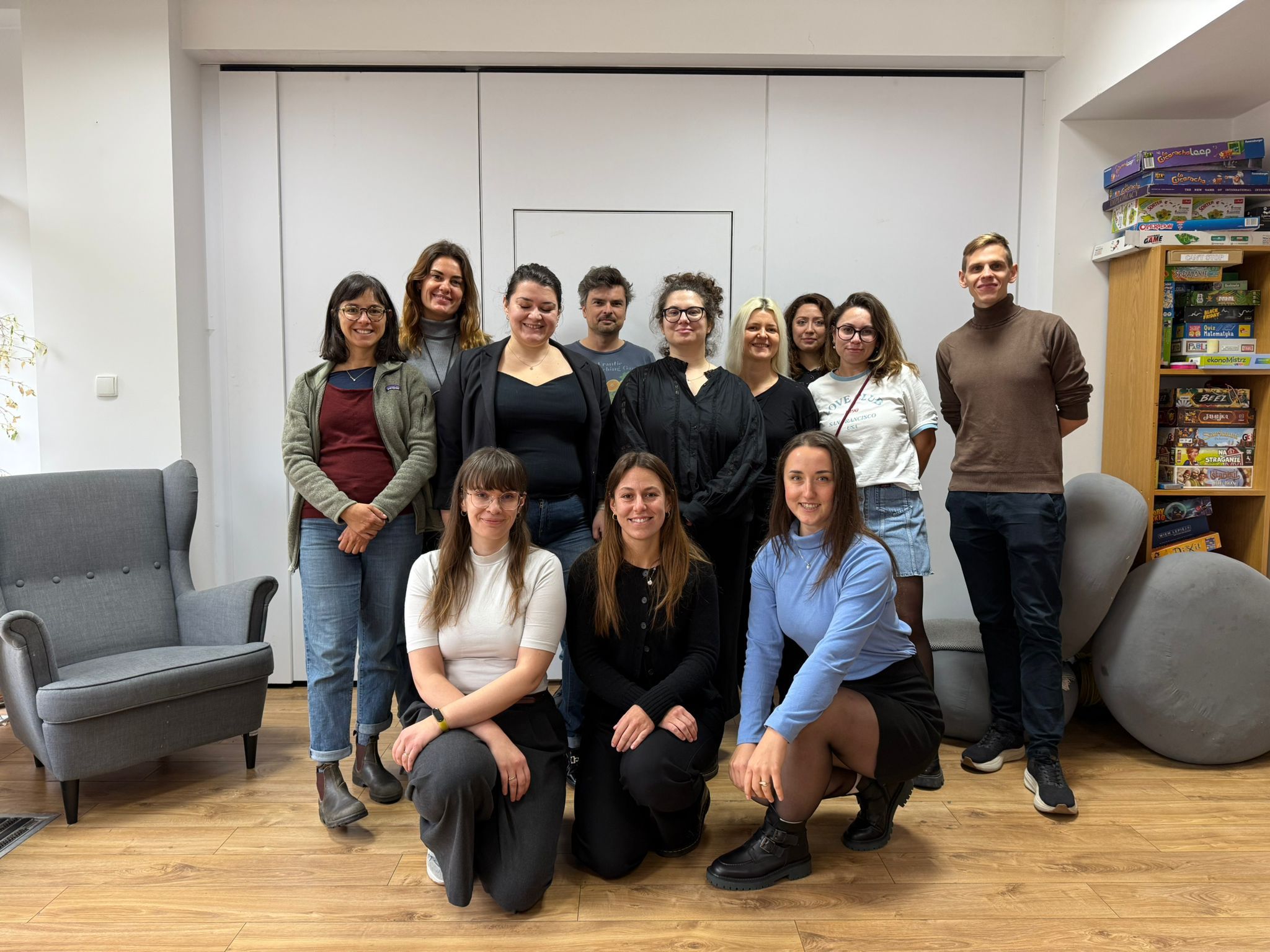
Over two days — October 23–24, 2025 — we hosted a series of Mutual Learning Sessions as part of the IARI project. In partnership with Fundacja EMIC, Polish Humanitarian Action (PAH), and RED Nova, the sessions brought together organizations working on the front lines of refugee support to learn from each other, exchange effective practices, and explore ways to strengthen their programs.
The aim: to improve refugee integration by identifying what works, understanding why it works, and adapting those lessons across contexts.
Day 1: From Practice to Shared Insight
The day began with “Building Blocks of Change,” a creative group exercise where teams visualized their organizational models and scalable programs. This set the tone for a collaborative atmosphere grounded in openness and clarity.
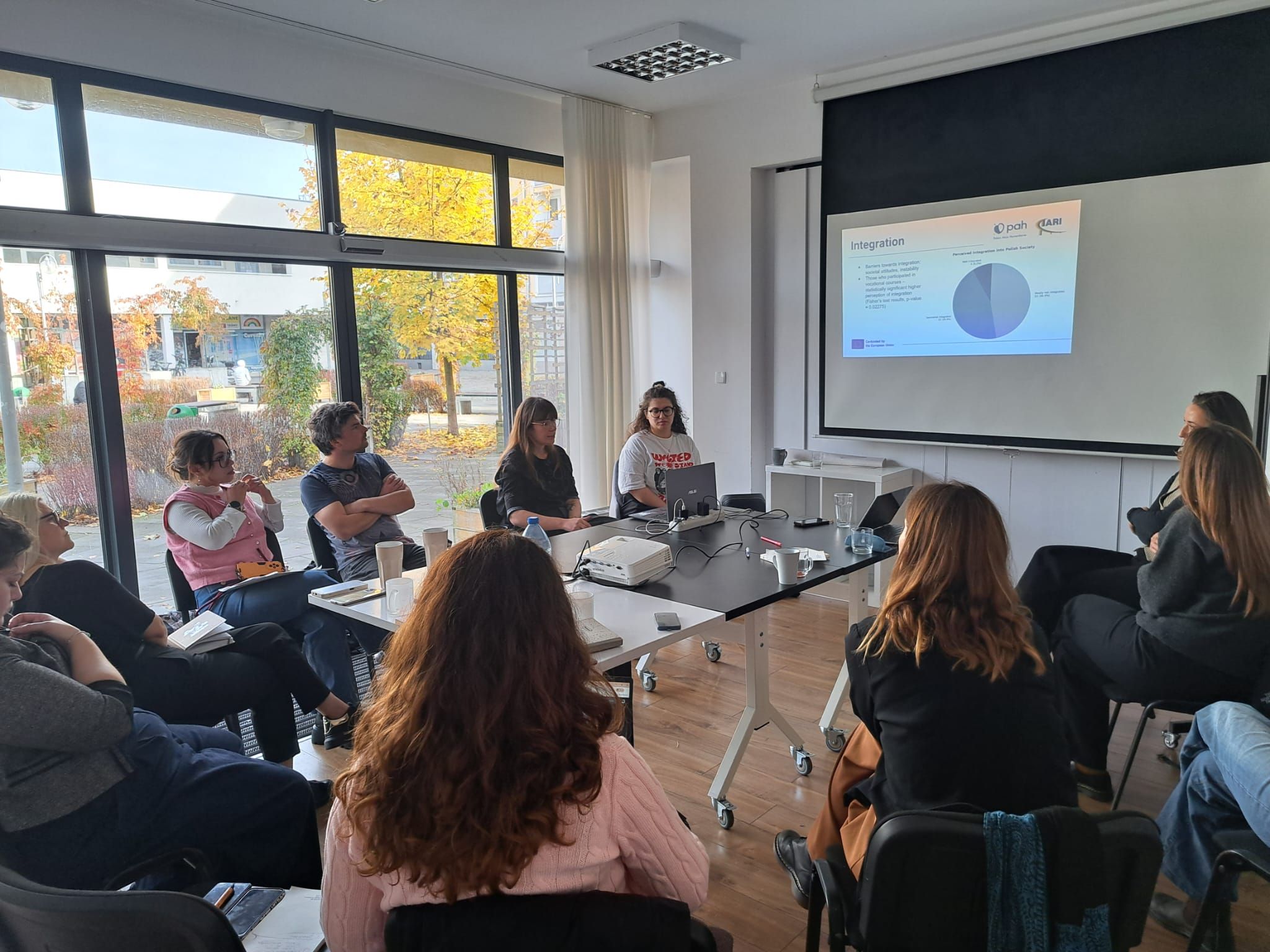
Next, each organization led a Deep Dive session, sharing the evolution of their programs, key challenges, and practical solutions. Guided discussions followed, focusing on what could be transferred or adapted across organizations.
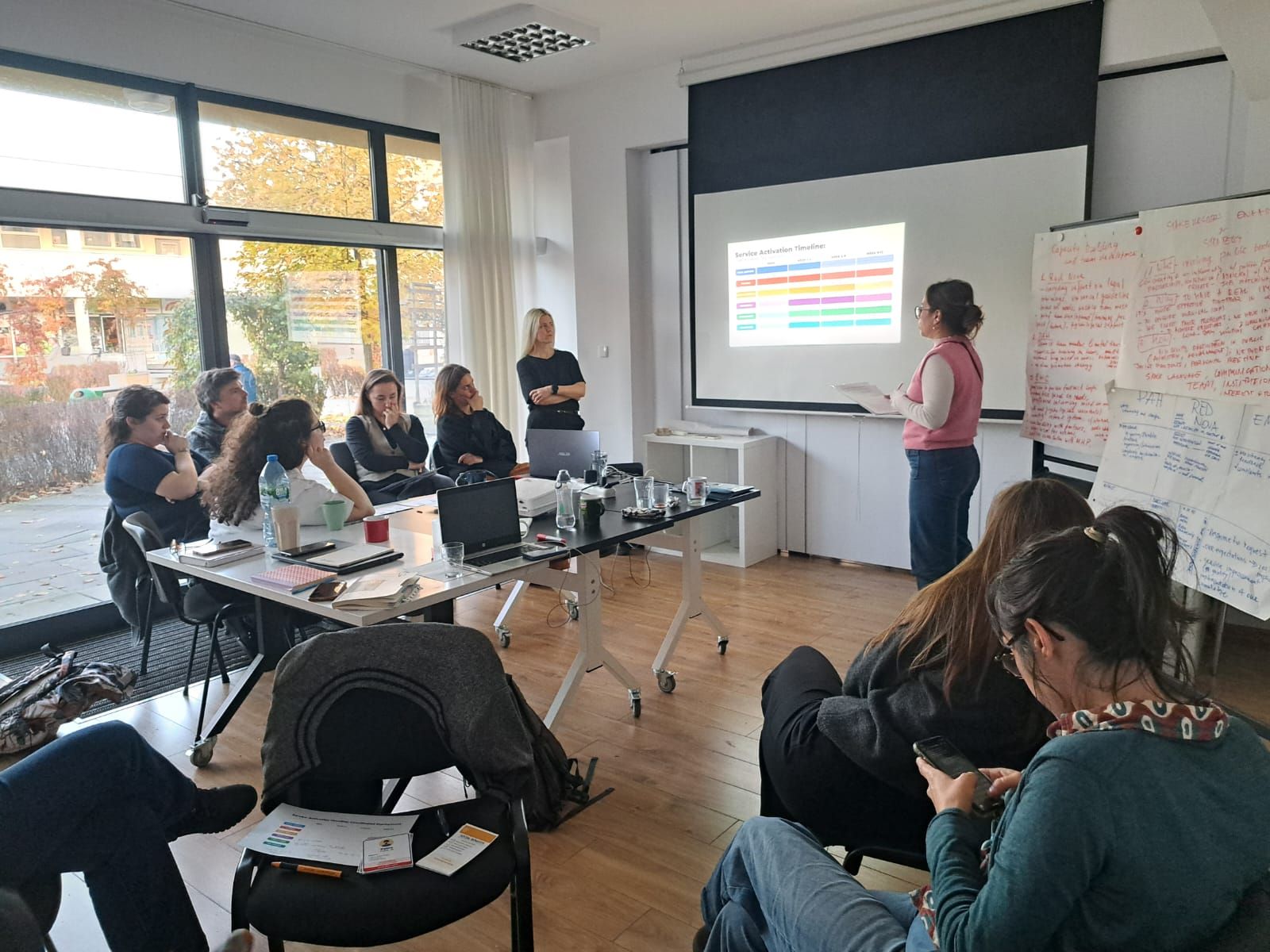
In the afternoon, a Joint Crisis Simulation placed participants in a hypothetical scenario: the end of the Temporary Protection Directive (TPD) for displaced Ukrainians. Teams were tasked with developing responsive, fundable program proposals under new legal and funding constraints—testing creativity, agility, and collective thinking.
We closed the day with group presentations and reflections, turning discussion into direction.
Day 2: From Learning to Application
Day two opened with a RedNova case study, followed by a comparative policy and needs assessment of Poland and Italy. These sessions provided valuable context for the challenges organizations face across different national landscapes.
The rest of the day focused on applying knowledge in practice.
In “Mapping What Works,” participants identified successful elements from their own and others’ programs.
A Peer Exchange session explored how those elements could be adapted in different environments.
Finally, a hands-on workshop challenged participants to reflect on one key question: How can we make our programs even more effective using what we've learned here?
Key Takeaways
Practical, peer-driven learning grounded in real-world experience
Fresh ideas for scaling and adapting programs
Honest conversations about challenges and impact
Strengthened relationships across organizations
These two days were not just about sharing. They were about rethinking, refining, and building stronger integration strategies—together.
A sincere thank you to all the participants, facilitators, and partner organizations who made this exchange meaningful. We’re looking forward to what comes next.
Over two days — October 23–24, 2025 — we hosted a series of Mutual Learning Sessions as part of the IARI project. In partnership with Fundacja EMIC, Polish Humanitarian Action (PAH), and RED Nova, the sessions brought together organizations working on the front lines of refugee support to learn from each other, exchange effective practices, and explore ways to strengthen their programs.
The aim: to improve refugee integration by identifying what works, understanding why it works, and adapting those lessons across contexts.
Day 1: From Practice to Shared Insight
The day began with “Building Blocks of Change,” a creative group exercise where teams visualized their organizational models and scalable programs. This set the tone for a collaborative atmosphere grounded in openness and clarity.
Next, each organization led a Deep Dive session, sharing the evolution of their programs, key challenges, and practical solutions. Guided discussions followed, focusing on what could be transferred or adapted across organizations.
In the afternoon, a Joint Crisis Simulation placed participants in a hypothetical scenario: the end of the Temporary Protection Directive (TPD) for displaced Ukrainians. Teams were tasked with developing responsive, fundable program proposals under new legal and funding constraints—testing creativity, agility, and collective thinking.
We closed the day with group presentations and reflections, turning discussion into direction.
Day 2: From Learning to Application
Day two opened with a RedNova case study, followed by a comparative policy and needs assessment of Poland and Italy. These sessions provided valuable context for the challenges organizations face across different national landscapes.
The rest of the day focused on applying knowledge in practice.
In “Mapping What Works,” participants identified successful elements from their own and others’ programs.
A Peer Exchange session explored how those elements could be adapted in different environments.
Finally, a hands-on workshop challenged participants to reflect on one key question: How can we make our programs even more effective using what we've learned here?
Key Takeaways
Practical, peer-driven learning grounded in real-world experience
Fresh ideas for scaling and adapting programs
Honest conversations about challenges and impact
Strengthened relationships across organizations
These two days were not just about sharing. They were about rethinking, refining, and building stronger integration strategies—together.
A sincere thank you to all the participants, facilitators, and partner organizations who made this exchange meaningful. We’re looking forward to what comes next.
Stay informed with
our latest news
Subscribe to receive regular updates on our latest evidence-based research, insights, and policy recommendations.
By clicking Subscribe you're confirming that you agree with our Terms and Conditions.
Stay informed with
our latest news
Subscribe to receive regular updates on our latest evidence-based research, insights, and policy recommendations.
By clicking Subscribe you're confirming that you agree with our Terms and Conditions.
Stay informed with our latest news
Subscribe to receive regular updates on our latest evidence-based research, insights, and policy recommendations.
By clicking Subscribe you're confirming that you agree with our Terms and Conditions.

OPORA
Communication team