Research
Hiring displaced people is not a risk. - Francesco Taiariol
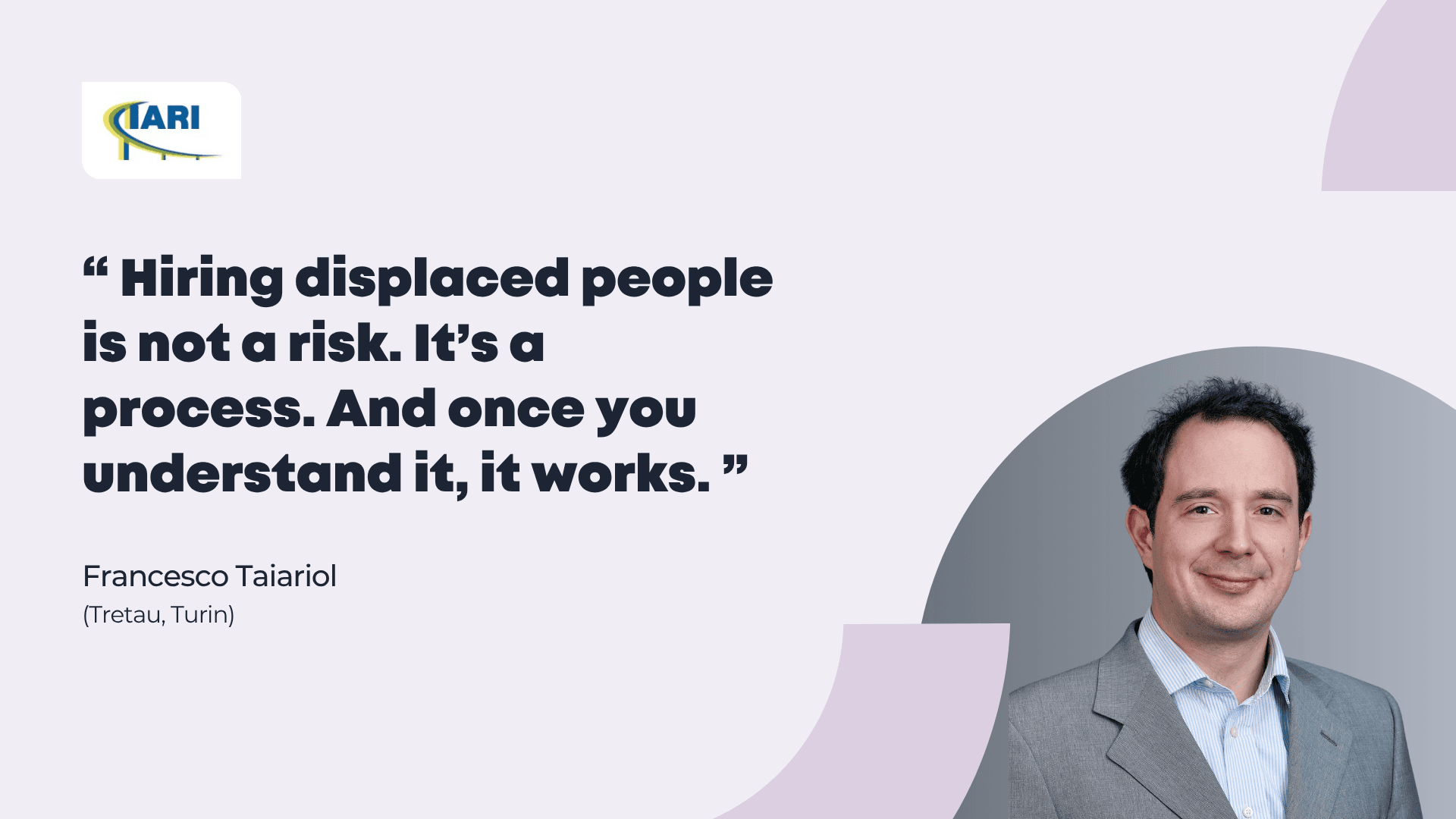
When talking about refugee employment and integration, the discussions are often framed by extremes, but this small company in Turin offers a different perspective — one grounded not in theory, but in experience.
As part of the Innovative Approaches to Refugee Integration (IARI) project, our OPORA research team travelled to Poland and Italy in 2025 to better understand how people displaced from Ukraine are navigating new labor markets. We spoke not only with displaced Ukrainians, but also with NGOs and employers working directly on integration.
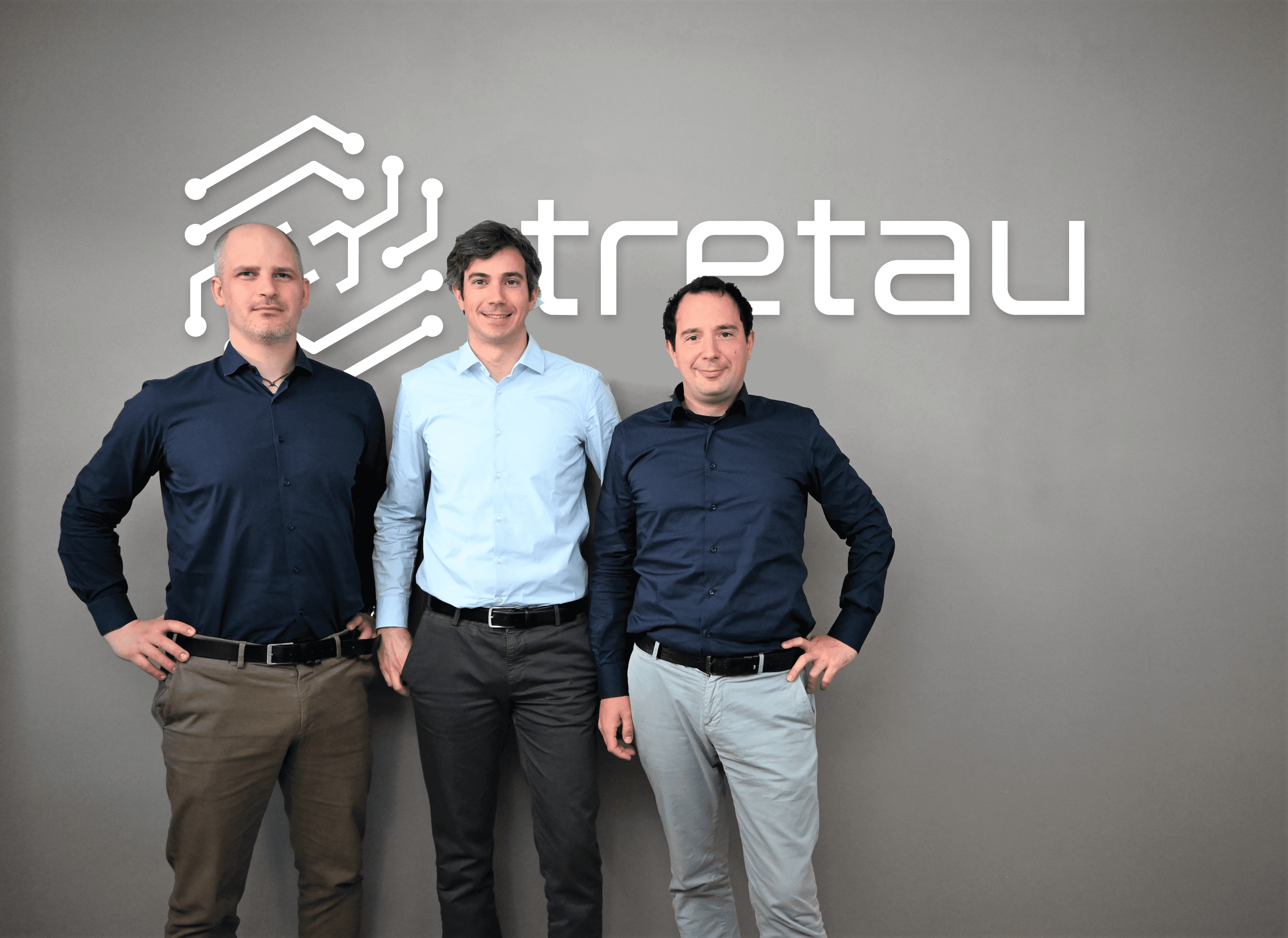
Photo: Co-founders of the Tretau
In Turin, Italy, we met Francesco Taiariol, CEO & Co-founder of a fast-growing high-tech magnet wire company. We later spoke with him again for a more in-depth interview, joined by two of his international employees: Tania Yevhrafova from Ukraine and Valentina Martinez Rey from Colombia. Their conversation reveals what often goes unseen in discussions about refugee employment — the practical barriers, the biases, and the unexpected advantages.
“We Don’t Hire Ukrainians — We Hire Talent”
Francesco is quick to challenge assumptions.
His company develops cutting-edge components for electric machines, from cars to generators, based on the DryCycle® technology created over a decade ago.

With around 85 employees and operations spanning Europe and the United States, the company operates in a deeply international environment.
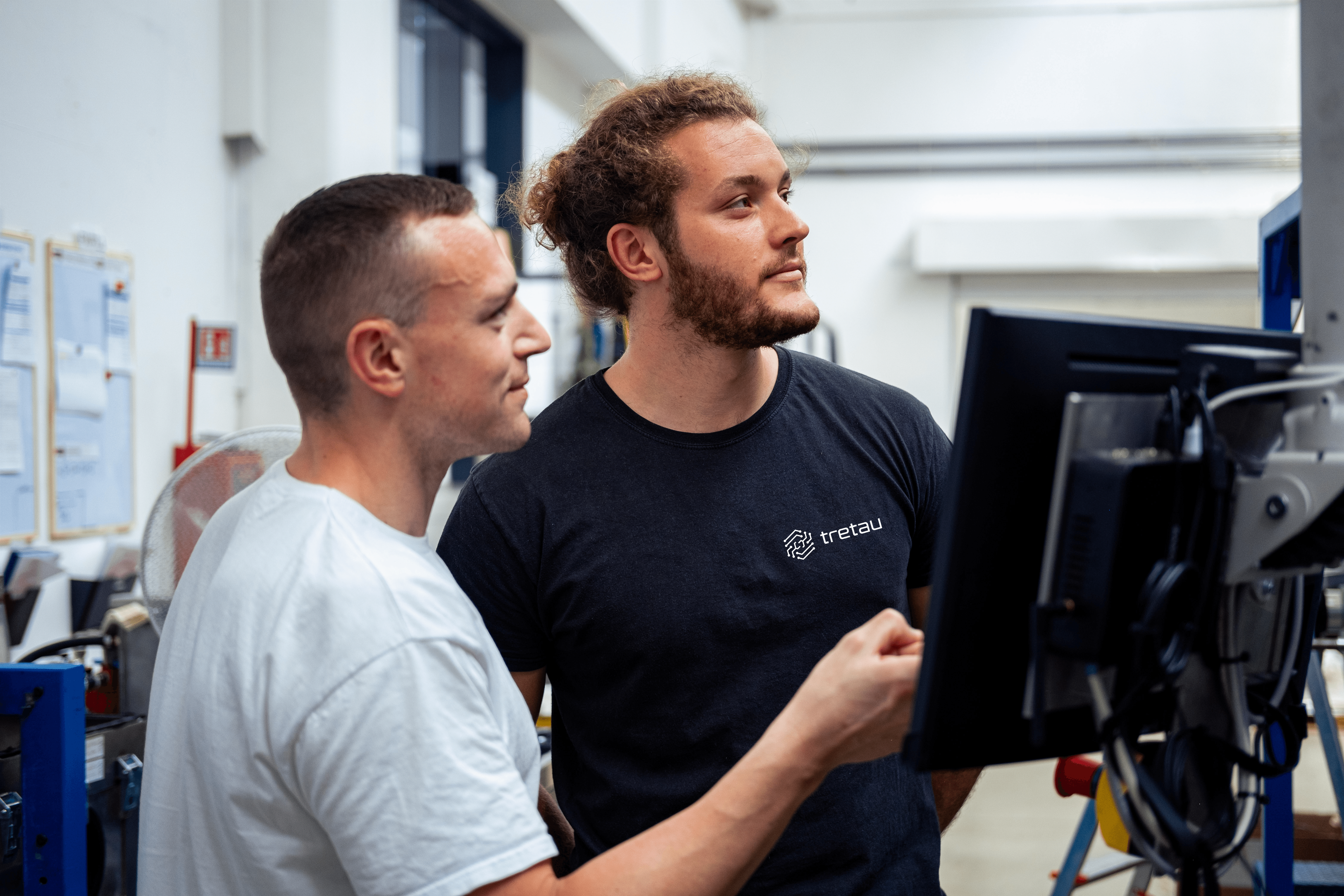
Photo: Tretau operations
“We’ve always been multinational,” he explains. “English is our default language, our customers are global, and almost 100% of what we produce is exported.”
So, when asked whether his company takes a special approach to hiring displaced Ukrainians, his answer is direct:
“No. We don’t hire Ukrainians because they are Ukrainians. We hire people because they are strong professionally, because they fit the team, because they believe in what we’re building.”
The Hidden Barrier: Paperwork
While talent may be the, priority, bureaucracy often becomes the real obstacle.
Valentina, who moved to Italy as a student from Colombia, knows this firsthand:
“Changing from a student visa to a work visa is very complicated. Many companies don’t want to deal with it — it takes time, documents, even interviews with the police.”

Photo: Valentina Martinez Rey
For smaller companies without legal departments, this process can be discouraging. But Francesco’s company chose to learn it.
“At the beginning, it was complicated,” he admits. “We had to understand responsibilities, risks, and the legal side. But once you map the process, it becomes repeatable.” Today, hiring someone with complex documentation is no longer a barrier — just a known procedure.
“It costs us a bit of time and a few hundred euros for legal support,” he says. “But the return on investment is extremely high.”
Motivation as an Untapped Resource
One of the strongest arguments Francesco makes is rarely part of policy debates: motivation.
“People who were displaced often arrive with incredible drive,” he explains. “They want to rebuild, to prove themselves. That energy is real — and it matters.”
But he is careful to draw a line:
“You don’t hire someone out of pity. That’s the worst possible reason. Empathy can guide support: with paperwork, housing, but competence must come first.”
This balance, he argues, creates trust — the foundation for successful integration.
Why Skilled Ukrainians Still Struggle to Find Jobs
Despite supportive policies across Europe, many highly skilled Ukrainians struggle to find appropriate employment. Francesco sees three main reasons:
1. Trust in qualifications
“There is still uncertainty about Ukrainian degrees — how they compare, what they mean in practice.”
2. Risk aversion in smaller companies
“Smaller firms often lack the tools to assess skills beyond formal credentials.”
3. Fear of the unknown
“Employers worry about legal consequences, bureaucracy, or whether the process will actually work.”
His conclusion is simple:
“Once you see the system working — permits issued, integration happening — the fear disappears. But many companies never reach that point.”
Language: The Real Divider
For Tania, a Ukrainian employee working in procurement, the biggest barrier is clear:
“Language is the main obstacle. Documents are easier now. But without Italian or English, it’s very hard to find a good job.”
Originally trained as a lawyer in Ukraine, she struggled to find work before moving to Turin and getting hired in Tretau in the purchasing department as a Buyer Assistant, communicating with customers, suppliers and organizing deliveries.

Photo: Tania Yevhrafova
Tania’s story also captures a deeper, more personal dimension of displacement:
“When I visited Ukraine two years ago, I felt like a stranger. It’s still my home, my language, but something changed.”
Having lived in Italy for seven years, she no longer sees return as a clear path — a sentiment increasingly common among displaced Ukrainians.
Diversity as a Competitive Advantage
For Valentina, diversity in the workplace is not just a social good — it’s a practical one.
“Different cultures bring different ways of solving problems. Some people are more practical, others more theoretical — it adds value.”
She notes that biases still exist, especially in smaller, less international companies, but sees gradual change:
“Companies are starting to realize that diversity improves the system.”
In their office, that translates into everyday collaboration — even across languages:
“Someone needs help with a Spanish call? I step in. It becomes natural.”
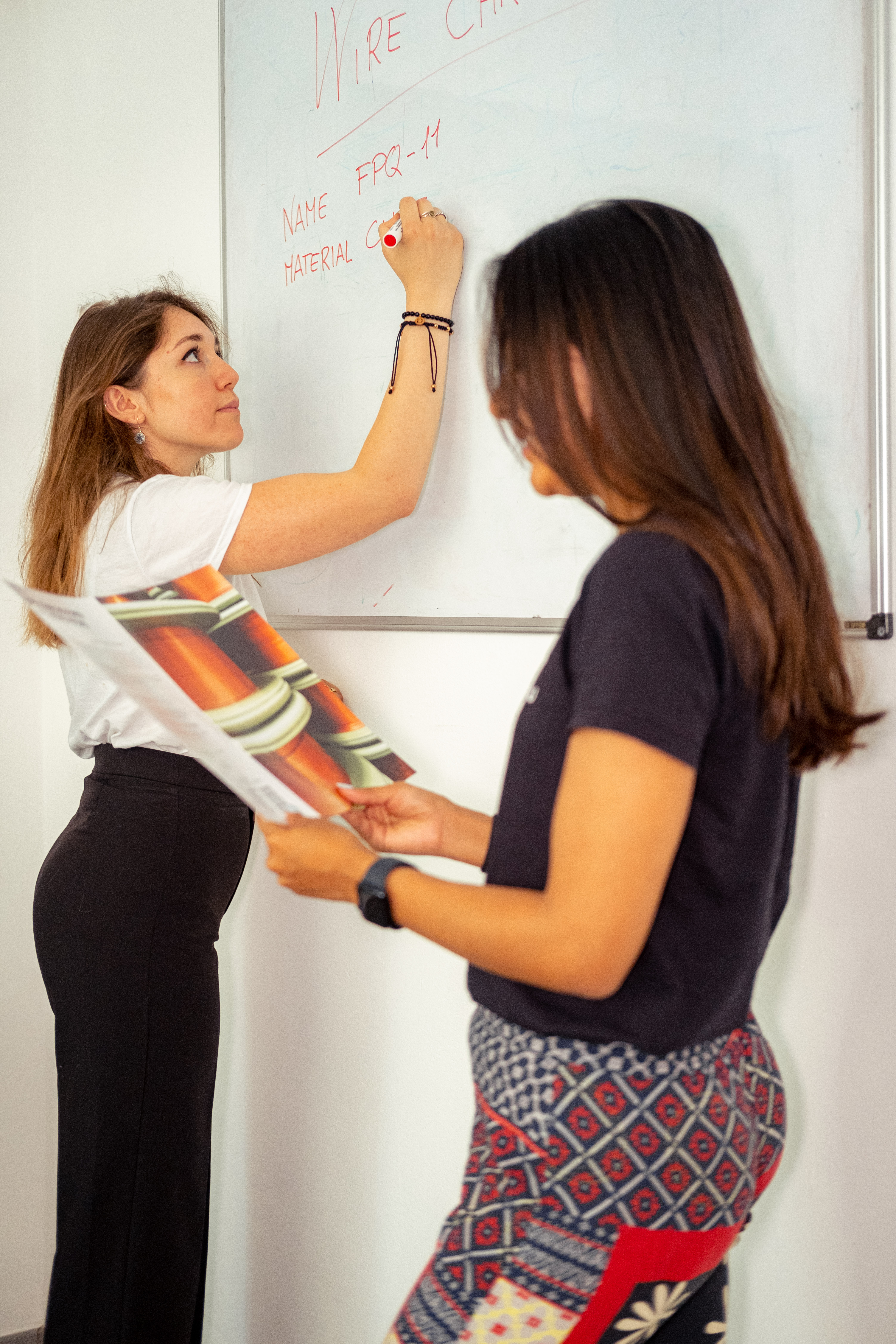
Photo:Tretau office
A Quiet European Success Story
Francesco believes something important is being overlooked in public discourse:
“Europe opened its doors to millions of people — giving access to healthcare, schools, and legal status. That’s extraordinary. And we don’t talk about it enough.”
He points to functioning systems, reduced friction for Ukrainians, and the role of NGOs in supporting integration.
“There are problems, of course,” he says. “But overall — it works.”
The Bigger Question Ahead
The conversation ends with a more difficult reflection: what happens next?
While Europe focuses on integration, Ukraine faces a different challenge — the long-term loss of its people.
“One crisis is people arriving,” Francesco says.
“The next will be people not returning.”
For now, however, the focus remains on the present — on making systems work, building trust, and recognizing that integration is not just policy, but practice.
It Can Be Done
If there is one message Francesco wants to leave employers with, it is this:
“Hiring displaced people is not a risk. It’s a process. And once you understand it, it works.”
In a debate often framed by extremes, this small company in Turin offers a different perspective — one grounded not in theory, but in experience.
And perhaps that is what is most often overlooked.
When talking about refugee employment and integration, the discussions are often framed by extremes, but this small company in Turin offers a different perspective — one grounded not in theory, but in experience.
As part of the Innovative Approaches to Refugee Integration (IARI) project, our OPORA research team travelled to Poland and Italy in 2025 to better understand how people displaced from Ukraine are navigating new labor markets. We spoke not only with displaced Ukrainians, but also with NGOs and employers working directly on integration.
Photo: Co-founders of the Tretau
In Turin, Italy, we met Francesco Taiariol, CEO & Co-founder of a fast-growing high-tech magnet wire company. We later spoke with him again for a more in-depth interview, joined by two of his international employees: Tania Yevhrafova from Ukraine and Valentina Martinez Rey from Colombia. Their conversation reveals what often goes unseen in discussions about refugee employment — the practical barriers, the biases, and the unexpected advantages.
“We Don’t Hire Ukrainians — We Hire Talent”
Francesco is quick to challenge assumptions.
His company develops cutting-edge components for electric machines, from cars to generators, based on the DryCycle® technology created over a decade ago.
With around 85 employees and operations spanning Europe and the United States, the company operates in a deeply international environment.
Photo: Tretau operations
“We’ve always been multinational,” he explains. “English is our default language, our customers are global, and almost 100% of what we produce is exported.”
So, when asked whether his company takes a special approach to hiring displaced Ukrainians, his answer is direct:
“No. We don’t hire Ukrainians because they are Ukrainians. We hire people because they are strong professionally, because they fit the team, because they believe in what we’re building.”
The Hidden Barrier: Paperwork
While talent may be the, priority, bureaucracy often becomes the real obstacle.
Valentina, who moved to Italy as a student from Colombia, knows this firsthand:
“Changing from a student visa to a work visa is very complicated. Many companies don’t want to deal with it — it takes time, documents, even interviews with the police.”
Photo: Valentina Martinez Rey
For smaller companies without legal departments, this process can be discouraging. But Francesco’s company chose to learn it.
“At the beginning, it was complicated,” he admits. “We had to understand responsibilities, risks, and the legal side. But once you map the process, it becomes repeatable.” Today, hiring someone with complex documentation is no longer a barrier — just a known procedure.
“It costs us a bit of time and a few hundred euros for legal support,” he says. “But the return on investment is extremely high.”
Motivation as an Untapped Resource
One of the strongest arguments Francesco makes is rarely part of policy debates: motivation.
“People who were displaced often arrive with incredible drive,” he explains. “They want to rebuild, to prove themselves. That energy is real — and it matters.”
But he is careful to draw a line:
“You don’t hire someone out of pity. That’s the worst possible reason. Empathy can guide support: with paperwork, housing, but competence must come first.”
This balance, he argues, creates trust — the foundation for successful integration.
Why Skilled Ukrainians Still Struggle to Find Jobs
Despite supportive policies across Europe, many highly skilled Ukrainians struggle to find appropriate employment. Francesco sees three main reasons:
1. Trust in qualifications
“There is still uncertainty about Ukrainian degrees — how they compare, what they mean in practice.”
2. Risk aversion in smaller companies
“Smaller firms often lack the tools to assess skills beyond formal credentials.”
3. Fear of the unknown
“Employers worry about legal consequences, bureaucracy, or whether the process will actually work.”
His conclusion is simple:
“Once you see the system working — permits issued, integration happening — the fear disappears. But many companies never reach that point.”
Language: The Real Divider
For Tania, a Ukrainian employee working in procurement, the biggest barrier is clear:
“Language is the main obstacle. Documents are easier now. But without Italian or English, it’s very hard to find a good job.”
Originally trained as a lawyer in Ukraine, she struggled to find work before moving to Turin and getting hired in Tretau in the purchasing department as a Buyer Assistant, communicating with customers, suppliers and organizing deliveries.
Photo: Tania Yevhrafova
Tania’s story also captures a deeper, more personal dimension of displacement:
“When I visited Ukraine two years ago, I felt like a stranger. It’s still my home, my language, but something changed.”
Having lived in Italy for seven years, she no longer sees return as a clear path — a sentiment increasingly common among displaced Ukrainians.
Diversity as a Competitive Advantage
For Valentina, diversity in the workplace is not just a social good — it’s a practical one.
“Different cultures bring different ways of solving problems. Some people are more practical, others more theoretical — it adds value.”
She notes that biases still exist, especially in smaller, less international companies, but sees gradual change:
“Companies are starting to realize that diversity improves the system.”
In their office, that translates into everyday collaboration — even across languages:
“Someone needs help with a Spanish call? I step in. It becomes natural.”
Photo:Tretau office
A Quiet European Success Story
Francesco believes something important is being overlooked in public discourse:
“Europe opened its doors to millions of people — giving access to healthcare, schools, and legal status. That’s extraordinary. And we don’t talk about it enough.”
He points to functioning systems, reduced friction for Ukrainians, and the role of NGOs in supporting integration.
“There are problems, of course,” he says. “But overall — it works.”
The Bigger Question Ahead
The conversation ends with a more difficult reflection: what happens next?
While Europe focuses on integration, Ukraine faces a different challenge — the long-term loss of its people.
“One crisis is people arriving,” Francesco says.
“The next will be people not returning.”
For now, however, the focus remains on the present — on making systems work, building trust, and recognizing that integration is not just policy, but practice.
It Can Be Done
If there is one message Francesco wants to leave employers with, it is this:
“Hiring displaced people is not a risk. It’s a process. And once you understand it, it works.”
In a debate often framed by extremes, this small company in Turin offers a different perspective — one grounded not in theory, but in experience.
And perhaps that is what is most often overlooked.
When talking about refugee employment and integration, the discussions are often framed by extremes, but this small company in Turin offers a different perspective — one grounded not in theory, but in experience.
As part of the Innovative Approaches to Refugee Integration (IARI) project, our OPORA research team travelled to Poland and Italy in 2025 to better understand how people displaced from Ukraine are navigating new labor markets. We spoke not only with displaced Ukrainians, but also with NGOs and employers working directly on integration.
Photo: Co-founders of the Tretau
In Turin, Italy, we met Francesco Taiariol, CEO & Co-founder of a fast-growing high-tech magnet wire company. We later spoke with him again for a more in-depth interview, joined by two of his international employees: Tania Yevhrafova from Ukraine and Valentina Martinez Rey from Colombia. Their conversation reveals what often goes unseen in discussions about refugee employment — the practical barriers, the biases, and the unexpected advantages.
“We Don’t Hire Ukrainians — We Hire Talent”
Francesco is quick to challenge assumptions.
His company develops cutting-edge components for electric machines, from cars to generators, based on the DryCycle® technology created over a decade ago.
With around 85 employees and operations spanning Europe and the United States, the company operates in a deeply international environment.
Photo: Tretau operations
“We’ve always been multinational,” he explains. “English is our default language, our customers are global, and almost 100% of what we produce is exported.”
So, when asked whether his company takes a special approach to hiring displaced Ukrainians, his answer is direct:
“No. We don’t hire Ukrainians because they are Ukrainians. We hire people because they are strong professionally, because they fit the team, because they believe in what we’re building.”
The Hidden Barrier: Paperwork
While talent may be the, priority, bureaucracy often becomes the real obstacle.
Valentina, who moved to Italy as a student from Colombia, knows this firsthand:
“Changing from a student visa to a work visa is very complicated. Many companies don’t want to deal with it — it takes time, documents, even interviews with the police.”
Photo: Valentina Martinez Rey
For smaller companies without legal departments, this process can be discouraging. But Francesco’s company chose to learn it.
“At the beginning, it was complicated,” he admits. “We had to understand responsibilities, risks, and the legal side. But once you map the process, it becomes repeatable.” Today, hiring someone with complex documentation is no longer a barrier — just a known procedure.
“It costs us a bit of time and a few hundred euros for legal support,” he says. “But the return on investment is extremely high.”
Motivation as an Untapped Resource
One of the strongest arguments Francesco makes is rarely part of policy debates: motivation.
“People who were displaced often arrive with incredible drive,” he explains. “They want to rebuild, to prove themselves. That energy is real — and it matters.”
But he is careful to draw a line:
“You don’t hire someone out of pity. That’s the worst possible reason. Empathy can guide support: with paperwork, housing, but competence must come first.”
This balance, he argues, creates trust — the foundation for successful integration.
Why Skilled Ukrainians Still Struggle to Find Jobs
Despite supportive policies across Europe, many highly skilled Ukrainians struggle to find appropriate employment. Francesco sees three main reasons:
1. Trust in qualifications
“There is still uncertainty about Ukrainian degrees — how they compare, what they mean in practice.”
2. Risk aversion in smaller companies
“Smaller firms often lack the tools to assess skills beyond formal credentials.”
3. Fear of the unknown
“Employers worry about legal consequences, bureaucracy, or whether the process will actually work.”
His conclusion is simple:
“Once you see the system working — permits issued, integration happening — the fear disappears. But many companies never reach that point.”
Language: The Real Divider
For Tania, a Ukrainian employee working in procurement, the biggest barrier is clear:
“Language is the main obstacle. Documents are easier now. But without Italian or English, it’s very hard to find a good job.”
Originally trained as a lawyer in Ukraine, she struggled to find work before moving to Turin and getting hired in Tretau in the purchasing department as a Buyer Assistant, communicating with customers, suppliers and organizing deliveries.
Photo: Tania Yevhrafova
Tania’s story also captures a deeper, more personal dimension of displacement:
“When I visited Ukraine two years ago, I felt like a stranger. It’s still my home, my language, but something changed.”
Having lived in Italy for seven years, she no longer sees return as a clear path — a sentiment increasingly common among displaced Ukrainians.
Diversity as a Competitive Advantage
For Valentina, diversity in the workplace is not just a social good — it’s a practical one.
“Different cultures bring different ways of solving problems. Some people are more practical, others more theoretical — it adds value.”
She notes that biases still exist, especially in smaller, less international companies, but sees gradual change:
“Companies are starting to realize that diversity improves the system.”
In their office, that translates into everyday collaboration — even across languages:
“Someone needs help with a Spanish call? I step in. It becomes natural.”
Photo:Tretau office
A Quiet European Success Story
Francesco believes something important is being overlooked in public discourse:
“Europe opened its doors to millions of people — giving access to healthcare, schools, and legal status. That’s extraordinary. And we don’t talk about it enough.”
He points to functioning systems, reduced friction for Ukrainians, and the role of NGOs in supporting integration.
“There are problems, of course,” he says. “But overall — it works.”
The Bigger Question Ahead
The conversation ends with a more difficult reflection: what happens next?
While Europe focuses on integration, Ukraine faces a different challenge — the long-term loss of its people.
“One crisis is people arriving,” Francesco says.
“The next will be people not returning.”
For now, however, the focus remains on the present — on making systems work, building trust, and recognizing that integration is not just policy, but practice.
It Can Be Done
If there is one message Francesco wants to leave employers with, it is this:
“Hiring displaced people is not a risk. It’s a process. And once you understand it, it works.”
In a debate often framed by extremes, this small company in Turin offers a different perspective — one grounded not in theory, but in experience.
And perhaps that is what is most often overlooked.
Stay informed with
our latest news
Subscribe to receive regular updates on our latest evidence-based research, insights, and policy recommendations.
By clicking Subscribe you're confirming that you agree with our Terms and Conditions.
Stay informed with
our latest news
Subscribe to receive regular updates on our latest evidence-based research, insights, and policy recommendations.
By clicking Subscribe you're confirming that you agree with our Terms and Conditions.
Stay informed with our latest news
Subscribe to receive regular updates on our latest evidence-based research, insights, and policy recommendations.
By clicking Subscribe you're confirming that you agree with our Terms and Conditions.

OPORA
Communication team